


Intro- Traveling with Kids: Tips for a Stress-Free Family Vacation
Traveling with children is a wonderful way to create lasting memories and expose them to new experiences. However, it can also be challenging without the right preparation. From choosing destinations to keeping the little ones entertained, every aspect needs consideration. Here’s how you can ensure a smooth and enjoyable trip for the whole family.
Pre-Trip Planning: Ensuring a Smooth Start
Choosing the Right Destination
Selecting a suitable destination is crucial when traveling with kids. Look for family-friendly locations that offer activities for various age groups. Consider factors like climate, health care facilities, and the local culture. Destinations with children’s museums, parks, and interactive science centers are typically a hit with families.
Booking Your Flights: Timing and Seating
When booking flights, try to choose times that align with your children’s sleep schedules. Overnight flights can be particularly useful since kids can sleep through most of the travel. Also, seat selection is critical; ensure you sit together and, if possible, select seats near the front of the plane or close to the bathroom for easy access.
Packing Essentials: A Checklist for Every Family Member
Packing effectively can make or break your trip. Create a checklist of essentials well in advance, which includes clothing suitable for the weather, a first-aid kit, essential medications, favorite toys or books, and any special items your children need. Don’t forget chargers for electronic devices and snacks for quick bites on the go.
On the Road: Traveling with Ease
Navigating Airports and Stations
Airports and stations can be overwhelming for kids. Prepare your children by explaining the security process beforehand to make it less intimidating. Consider a small, child-friendly carry-on they can manage, filled with snacks and activities that keep them occupied while waiting.
Keeping Kids Entertained and Happy During Transits
Long transits can be tough on children. Keep a variety of activities handy, such as download their favorite shows, bring along coloring books, small toys, or travel games. These can be lifesavers when delays occur or when in-flight entertainment falls short.
Accommodation Hacks for Families

Selecting Kid-Friendly Stays
Choose accommodations that cater to families. Many hotels offer amenities like cribs, child care services, and children’s programs that can enhance your stay. Checking reviews from other families can provide insight into how kid-friendly the property is.
Room Setup and Safety Tips
Once at the hotel, ensure your room is safe for kids. Look out for potential hazards and request rooms with less risk, such as those away from the pool or upper floors. If necessary, rearrange furniture to create a safer play area for your children.
Dining Out with Children

Finding Family-Friendly Restaurants
Research restaurants in advance to find places that are accommodating to families. Look for restaurants with a children’s menu and relaxed atmosphere, which can make dining out less stressful. Also, dining at less busy times can improve the experience for both kids and parents.
Healthy Snacks and Meal Planning
Having healthy snacks on hand can prevent hunger-related tantrums and make sightseeing more enjoyable. Pack a variety of nutritious options that your kids enjoy. Additionally, try to maintain regular meal times as much as possible to keep everyone’s energy up.
Activities and Attractions for All Ages
Educational Yet Fun Places to Visit
Plan visits to locations that are both educational and enjoyable. This could include zoos, botanical gardens, and historical sites, which often have interactive displays that engage children while teaching them something new.
Outdoor Activities for Physical Engagement
Incorporate activities that allow kids to burn off energy. Beaches, parks, and nature reserves offer great opportunities for physical play and can be a delightful way for the whole family to explore nature together.
Down Time: Relaxing Between Adventures

Balancing Activities with Relaxation
While it’s tempting to pack every day with activities, remember to schedule some downtime. This can include leisurely mornings at the hotel or quiet evenings watching movies together. Rest days are essential to prevent exhaustion and keep everyone in good spirits.
Tips for Handling Unexpected Downtime
Always have a backup plan for unexpected downtime. Whether it’s a rainy day or a closed attraction, having alternatives can help keep the trip enjoyable. Indoor pools, movie theaters, or even a day spent exploring different cafes can be fun, low-energy alternatives.
Keeping Safe and Healthy on the Go
First Aid and Emergency Preparations
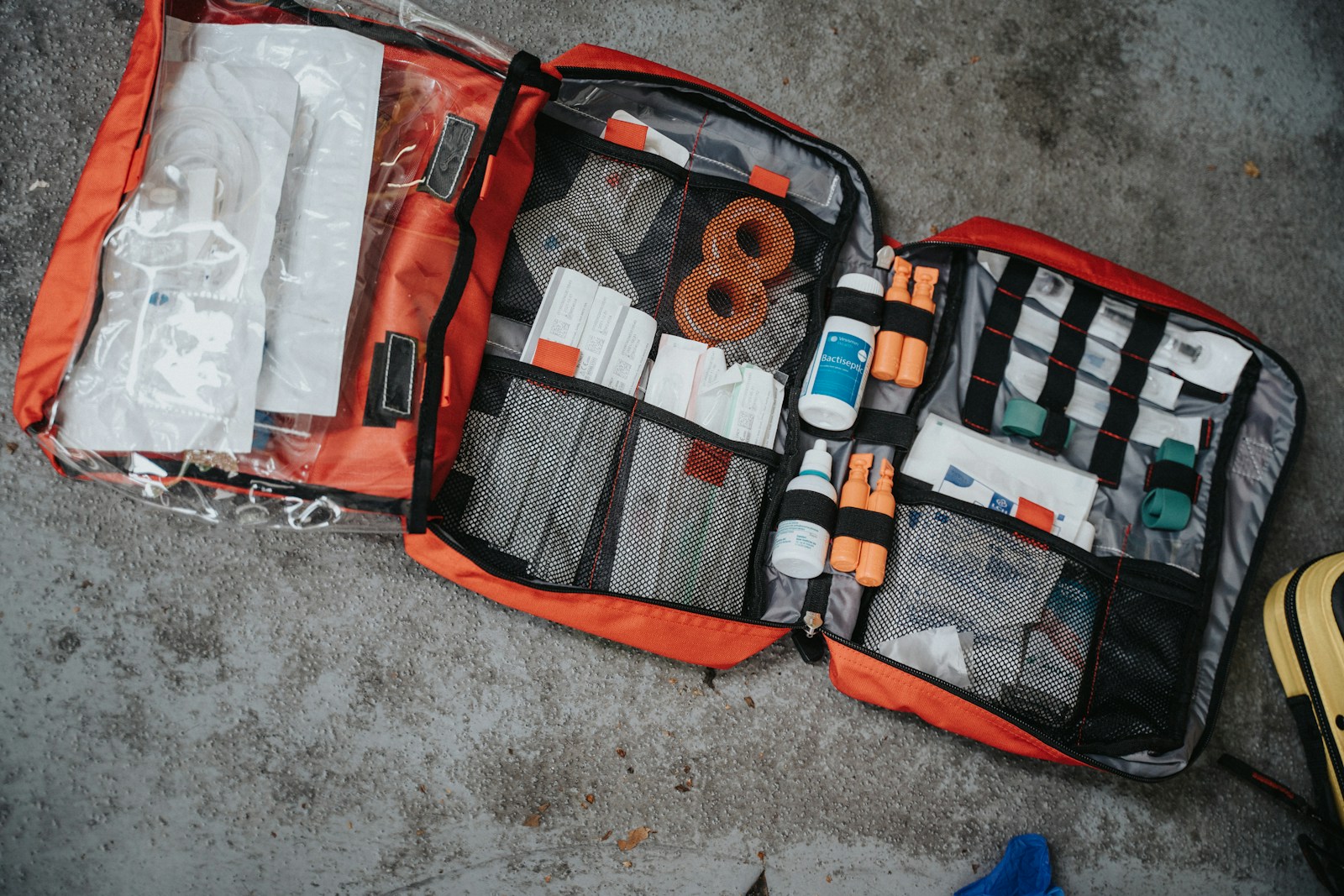
Always travel with a basic first aid kit and familiarize yourself with the location of the nearest hospital or clinic. Before traveling, teach your kids what to do in an emergency, including how to identify safe adults to ask for help.
Coping with Illness Abroad
If a child becomes ill while traveling, knowing how to proceed is crucial. Keep a list of emergency contacts and have your travel insurance information accessible. If necessary, contact local health services, and don’t hesitate to cut a trip short for the health of your child.
Capturing Memories: Documenting Your Family Trip

Best Practices for Taking Photos and Videos
Capture the moments that matter by keeping your camera accessible and ready to go. Take photos not just of the landmarks, but of your family enjoying the experience. These memories are invaluable and will be cherished for years to come.
Creative Ways to Preserve Travel Memories
Beyond photos, encourage your kids to keep a travel journal or collect items for a scrapbook. This can include tickets from attractions, postcards, or even small stones from a favorite beach. Such activities not only enhance the travel experience but also create lasting souvenirs.
Returning Home: Post-Trip Transition
Unpacking and Reflecting on Your Journey
Once home, take time to unpack and reflect on your adventure. Discuss what everyone enjoyed most and what could be improved for next time. This can be a great learning experience and help in planning more successful trips in the future.
Planning Your Next Family Adventure
Use the insights gained from this trip to start planning your next adventure. Engage the whole family in the discussion to ensure future travels are even more exciting and fulfilling.