
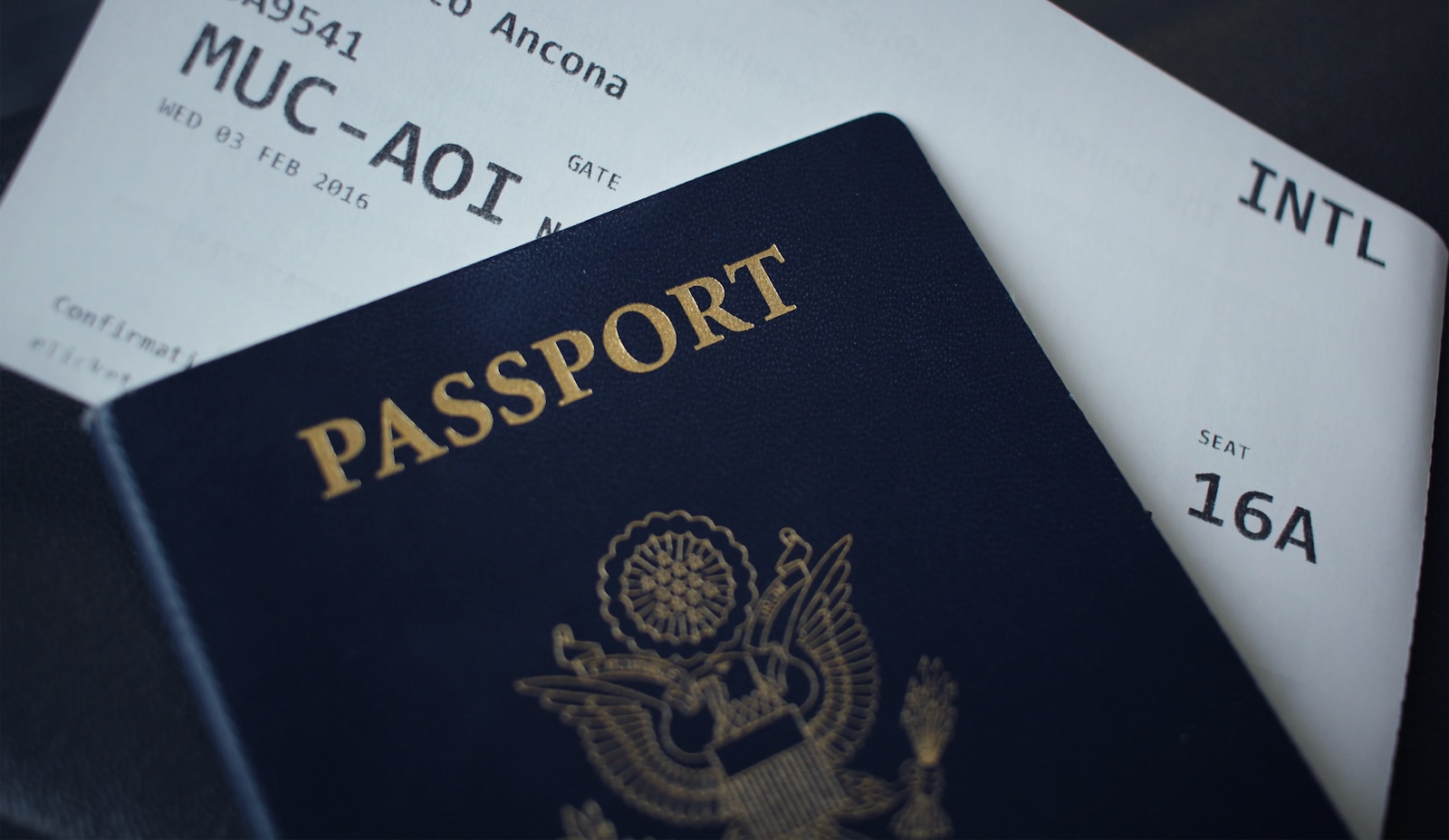

Getting a passport is not just about having a piece of identification; it’s about opening doors to incredible travel experiences and professional opportunities. Imagine planning that dream vacation you’ve always wanted, whether it’s exploring ancient ruins in Greece or lounging on pristine beaches in the Maldives. With a valid passport, you can turn these dreams into reality, immersing yourself in different cultures, cuisines, and landscapes around the globe. Moreover, for business-minded individuals, a passport is your ticket to international conferences, meetings, and networking events that can expand your professional horizons and open doors to new collaborations and ventures. It’s the first step in broadening your horizons and experiencing the world in all its diversity and beauty.
Navigating the passport application process may seem daunting at first, but with the right guidance, it can be a straightforward and hassle-free experience. From gathering the required documents to submitting your application and receiving your passport, each step is crucial in ensuring a smooth process. By following the comprehensive guide outlined in this article, you’ll be well-prepared to embark on your travel adventures or seize new business opportunities with confidence. So, whether you’re a seasoned traveler or embarking on your first international journey, obtaining a passport is a vital tool that empowers you to explore, learn, and grow in ways you never imagined.
Introduction
A passport is your ticket to the world, a crucial document that not only verifies your identity but also your nationality, making global travel feasible and more accessible. Whether you’re planning to backpack across Europe, attend business meetings in Asia, or just explore new cultures, having a passport is the first step towards these experiences. It’s important to understand the process, which varies slightly by country, but generally involves gathering the necessary documents, filling out an application, and submitting it with a fee. Knowing the specifics will ensure that you avoid common pitfalls and delays, setting you up for a smooth journey right from the start.
Applying for a passport might seem daunting, but it’s a straightforward process once you have all the required information at hand. You’ll need to provide proof of citizenship, such as a birth certificate or naturalization certificate, and a valid form of identification. Additionally, recent photographs that adhere to the passport photo requirements are crucial. It’s also wise to check for any additional requirements specific to your country or any special stipulations that might apply to your situation, such as renewals or applying for a child’s passport. By meticulously following these steps, you’ll be well on your way to unlocking a world of travel and international opportunities with your new passport.
Gathering Required Documents
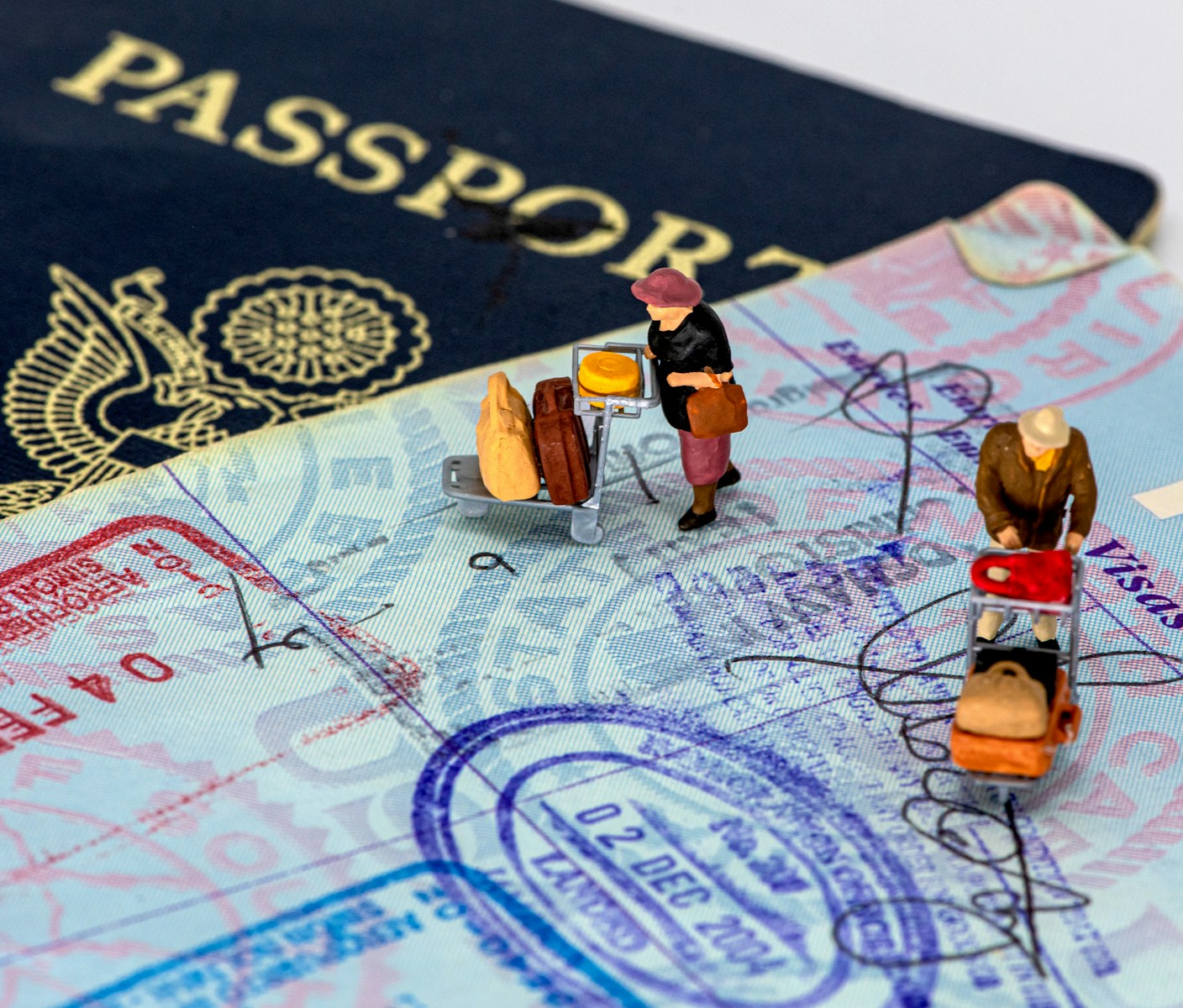
Before you even fill out the passport application form, it’s crucial to compile all the necessary documents that you’ll need to submit. The first step is to secure your birth certificate, which serves as proof of citizenship. This needs to be an original document or a certified copy with a registrar’s seal, signature, and the date issued. Alongside your birth certificate, a government-issued ID such as a driver’s license or a state ID card is required to verify your identity. Make sure these IDs are current and valid, as expired IDs can lead to delays in processing your application.
Additionally, passport photos are a key component of your application. These photos must meet strict criteria set by the issuing authority—typically, they should be 2×2 inches, taken in front of a plain white or off-white background, and show your full face with a neutral expression and both eyes open. The photos must be recent, generally taken within the last six months, to reflect your current appearance. By having all these documents prepared and conforming to the required standards, you can ensure that your passport application process is not only faster but also free from unnecessary setbacks.
Completing the Application Form
Once you have all your necessary documents in order, the next critical step is to accurately fill out the passport application form. This form requires detailed personal information, including your full name, date of birth, address, and parental information, which must be filled out meticulously. It is imperative to provide accurate and up-to-date information to prevent any potential issues or delays in the processing of your application. Mistakes, even minor ones like spelling errors or incorrect dates, can lead to rejections or prolonged processing times. Therefore, once you have filled out the form, take the time to review each section carefully to ensure all the information is correct and complete.
In addition to filling out the basic sections of the application form, pay special attention to any special instructions or additional sections that may pertain to your specific circumstances. For example, if you are applying for a passport for the first time, renewing an expired passport, or requesting a name change due to marriage or divorce, there might be additional requirements or documents needed. Some sections might require detailed explanations or supplementary documentation, such as parental consent for minors or legal documents for name changes. By thoroughly understanding and following these special instructions, you can streamline the application process and enhance the likelihood of a smooth approval and timely receipt of your passport.
Submitting Your Application
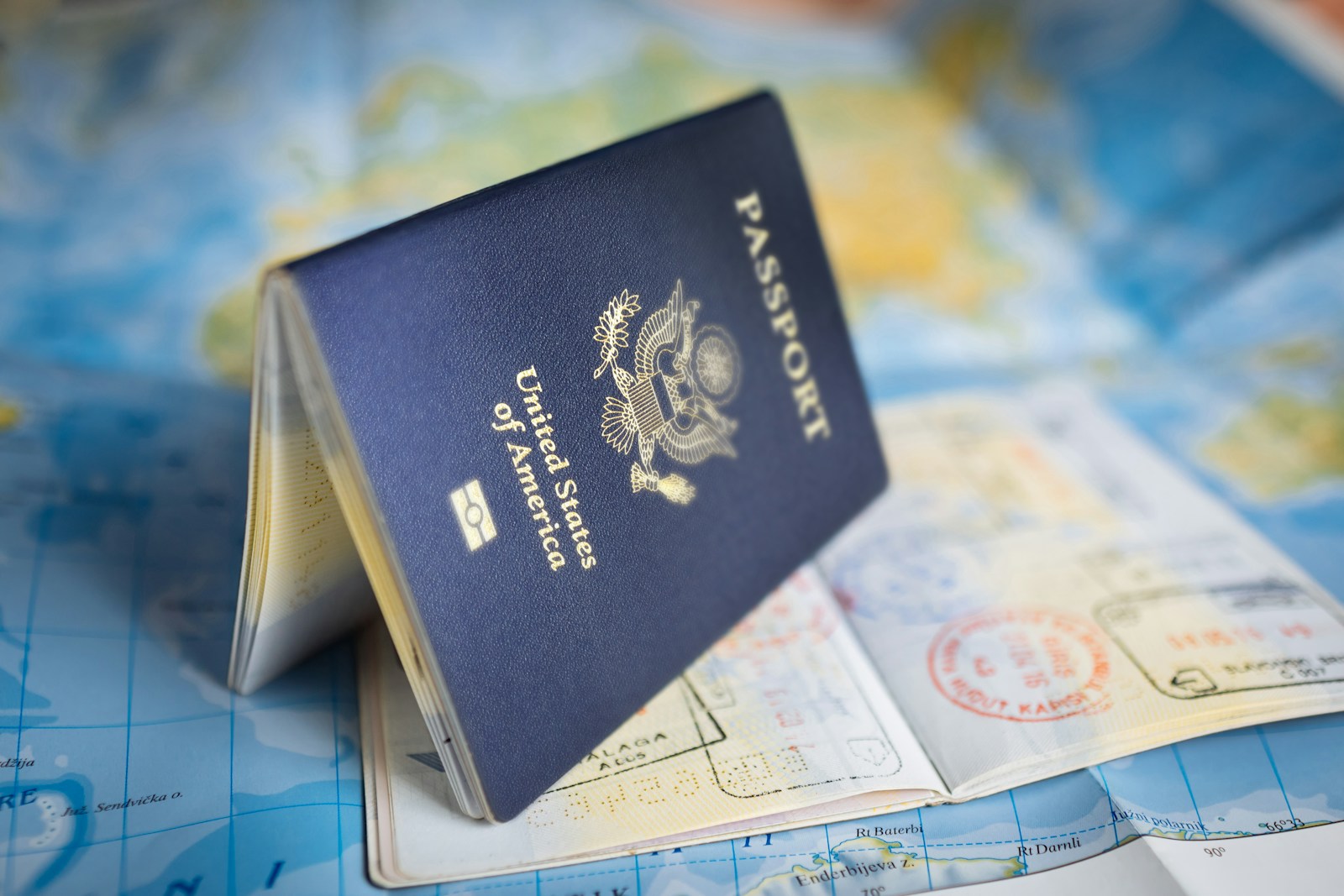
Submitting your passport application is a key step in the process, and it must be done correctly to avoid any delays. Once you’ve ensured that your application form is completely and accurately filled out, and all the necessary documents are gathered, the next move is to submit everything in person. Most countries require first-time applicants, and those replacing lost or stolen passports, to apply in person. You can do this at designated passport acceptance facilities, which might include post offices, some public libraries, and local government offices. Check the official passport issuing website or contact local facilities to find the most convenient location for you. It’s often advisable to schedule an appointment to avoid long wait times, ensuring a smoother and quicker process.
When preparing for your appointment, make sure you have all the necessary documents, including your original proof of citizenship, a photocopy of your identification, and the required passport photos. Additionally, you will need to pay a fee for the passport application, which varies depending on the type of passport and processing times you opt for. Most facilities accept multiple forms of payment, but it’s wise to verify acceptable payment methods beforehand to prevent any last-minute issues. Being well-prepared and organized will facilitate a hassle-free submission, putting you one step closer to receiving your passport and starting your international travels.
Paying the Fees
Paying the fees for your passport application is an unavoidable part of the process, and being prepared for this step can help expedite your application. The cost of applying for or renewing a passport can vary significantly depending on a few factors such as the applicant’s age, the type of service requested (standard or expedited processing), and whether it’s a first-time application or a renewal. It’s essential to check the latest fee structure from the official passport issuing authority’s website before heading to your appointment, so you have a clear idea of the expected costs. Some applications may also require additional fees for processing or delivery, so it’s crucial to factor these into your budget.
When it comes time to pay these fees, it’s important to know what payment methods are accepted at the facility where you are submitting your application. Commonly accepted forms of payment include personal checks, money orders, and, at some locations, credit or debit cards. Cash payments are often not accepted for passport fees at many submission centers, so it’s advisable to prepare the exact amount in an accepted format ahead of time. Additionally, each payment form, such as a check or money order, should be made payable to the correct agency as specified by the acceptance facility, and it’s wise to fill out these forms ahead of your appointment to save time and ensure accuracy.
Processing Time

The processing time for a passport application can vary widely depending on the current workload of the issuing authority and the type of processing service chosen. Under normal circumstances, standard processing times can range from a few weeks to several months. If you’re not in a rush, standard processing is typically sufficient and will cost less. However, during peak travel seasons or due to unexpected surges in applications, processing times can extend beyond the usual window. It’s important to apply well in advance of any planned travel to ensure that your passport arrives in time without the need for expedited services, which can significantly increase the cost.
For those in need of a passport more quickly, expedited processing is available at an additional cost. This service reduces the wait time significantly, often ensuring that the passport is ready within a few weeks. While this can be a convenient option for last-minute travelers, it’s crucial to consider the additional fees, which can be quite substantial. When opting for expedited processing, it’s also a good idea to check the specific requirements and the exact timeline promised by the service to make sure it aligns with your travel plans. Planning ahead and understanding the constraints and costs associated with expedited processing will help you make informed decisions and avoid stressful last-minute scrambles.
Receiving Your Passport

After your passport application has been processed and approved, the final step is receiving your passport. Typically, passports are sent to you by mail, arriving at the address you specified on your application form. Upon receipt, it’s essential to immediately check all the details on your passport to ensure there are no errors. Look over your name, date of birth, passport number, and other personal details carefully. Any discrepancies should be reported right away to the issuing authority to correct them as soon as possible. Additionally, remember to sign your passport in the designated area, as an unsigned passport might not be considered valid for travel.
Once you’ve verified that all the information is correct and signed your passport, it’s crucial to take steps to safeguard this important document. Store your passport in a secure location where it is protected from theft, loss, and damage. It’s also a wise precaution to make several copies of your passport’s data page. Keep a copy in a safe place separate from where you store your passport and consider leaving a copy with a trusted family member or friend. These copies can be invaluable in helping you facilitate the replacement process should your passport ever be lost or stolen while you are traveling abroad.
Additional Tips
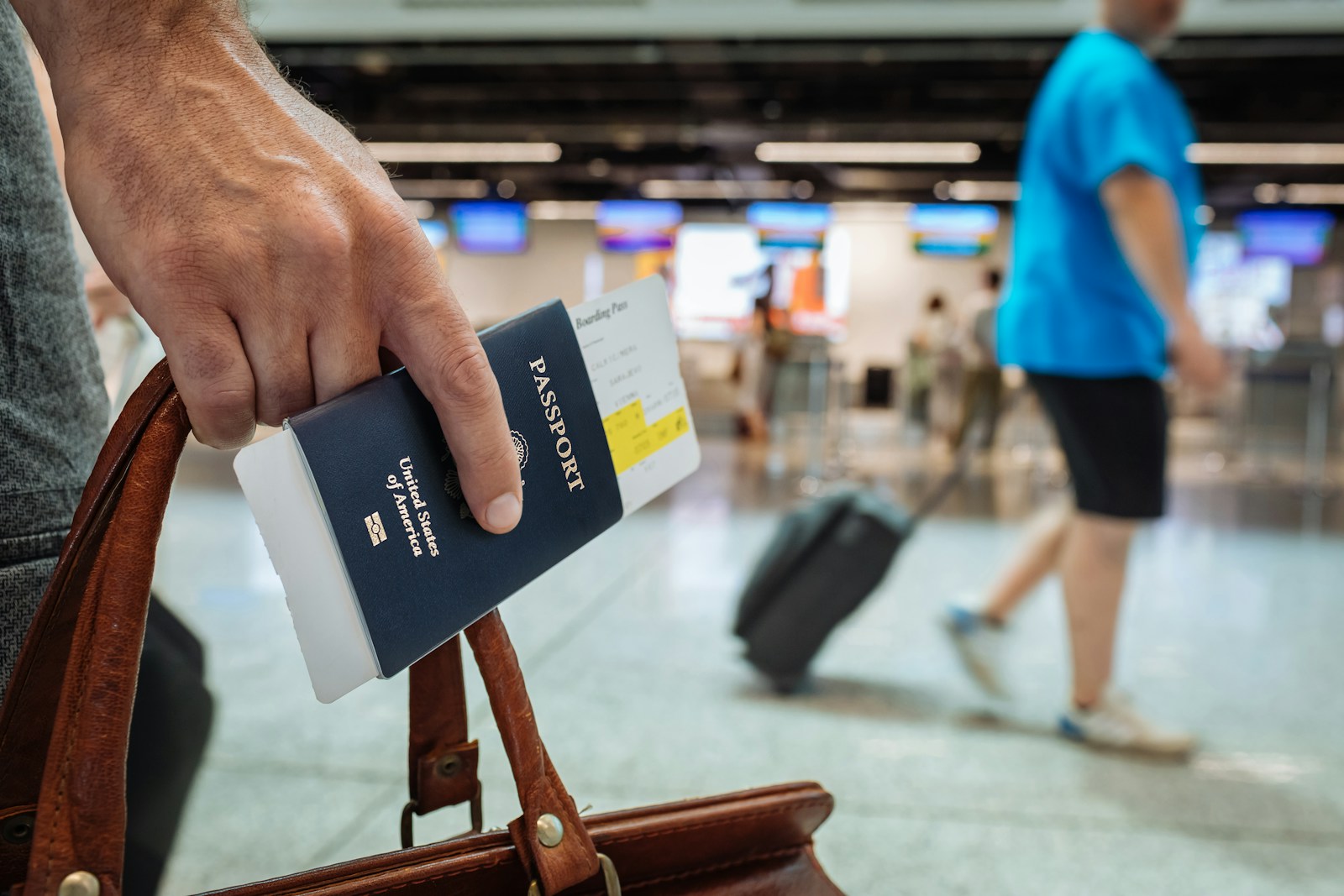
It’s crucial to be proactive about renewing your passport before it expires to ensure uninterrupted travel. Many countries require that your passport be valid for at least six months beyond the date of your trip. Thus, it’s advisable to check the expiration date and renew well in advance if your passport is set to expire within the next year. This foresight prevents the stress and potential extra costs of last-minute renewals, which might also require expedited processing fees if you are close to your travel date. Setting a reminder to renew your passport a few months before its expiration can save you significant time and hassle, especially if you travel frequently or have upcoming plans that require valid documentation.
Keeping your passport safe during your travels is equally important. Treat this document with the same care as you would large sums of money or valuable jewelry. Always use a secure, preferably RFID-blocking, travel pouch or wallet that can be worn close to your body to deter theft. When staying at hotels, utilize the safe provided in your room to store your passport and other valuables, only carrying a photocopy when out and about, if necessary. Moreover, it’s wise to follow recommended security measures, such as never handing your passport over to unofficial parties or leaving it unattended in public areas. These practices not only protect your passport but also safeguard your identity while traveling.
Conclusion
Obtaining a passport truly is a straightforward process when you meticulously follow the necessary steps. By properly gathering your documents, filling out the application accurately, and paying the relevant fees, you place yourself on the path to receiving this essential travel tool. Remember, the effort you put into correctly managing the passport application process reflects your readiness to engage with the world. Once your passport is securely in your hands, you unlock the gateway to exploring vast cultures, breathtaking landscapes, and unforgettable experiences. It marks the beginning of your ability to freely travel internationally, whether for leisure, business, or exploration.
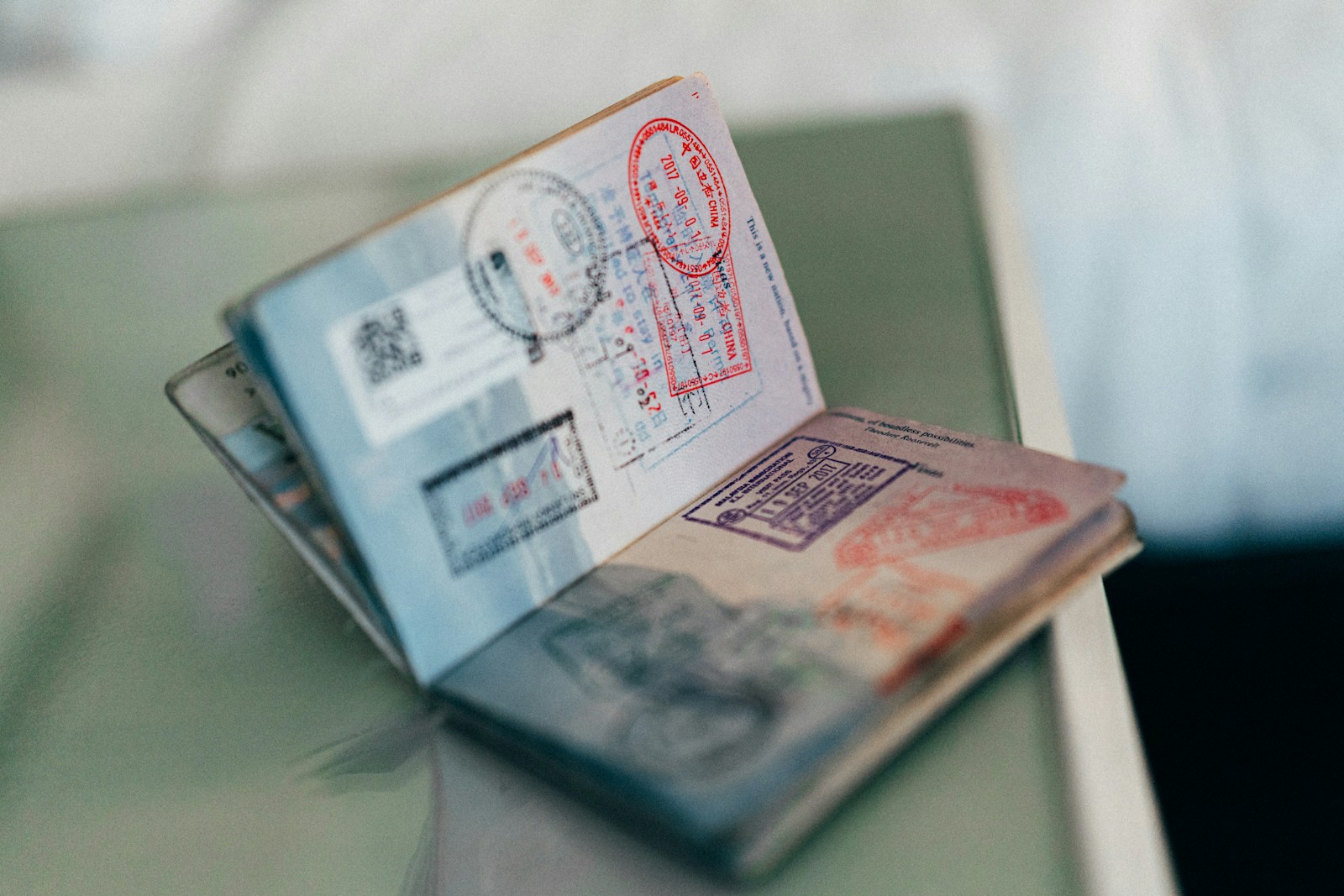
With your new passport, the world is essentially at your fingertips, inviting you to discover its endless wonders and make lasting memories. Each stamp in your passport will represent not just a place visited, but a chapter of life’s adventures and learnings. So, embrace the opportunities that come with having a valid passport—venture out to unknown territories, meet new people, and immerse yourself in diverse cultures. As you prepare to embark on your journeys, remember the importance of keeping your passport safe and renewed, ensuring continuous opportunities for adventure. Bon voyage, and may your travels be as enriching as they are numerous.
Bon voyage!
FAQs
How long does it take to get a passport?
The time it takes to get a passport can vary depending on the country and the specific circumstances of the application, but generally, standard processing times range from four to six weeks. For those who need their passport sooner, expedited services are available and can reduce this time to about two to three weeks, though additional fees will apply. It’s important to check with your local passport issuing authority for the most accurate and up-to-date processing times, especially during peak travel periods when delays can occur.
Can I apply for a passport online?
Whether you can apply for a passport online depends on the country issuing the passport. In the United States, for example, first-time passport applications must be submitted in person. However, certain renewals can be completed online through the Department of State’s website if specific criteria are met. Other countries may offer more extensive online services, allowing applicants to submit forms and documentation electronically. Always check with the passport issuing authority in your country for the most accurate and current options available for online application.
What should I do if I need my passport urgently?
If you need your passport urgently, you should opt for expedited processing services offered by the passport issuing authority. In the U.S., for instance, you can apply for an expedited passport service which can process your application in about two to three weeks. For even more urgent needs, such as within a few days, you might be able to schedule an appointment at a passport agency or center, provided you can show proof of immediate international travel such as a flight itinerary. Be prepared to pay additional fees for expedited services. Always check the specific requirements and available services directly from the passport issuing authority in your country.
Are there any restrictions on passport photos?
Yes, there are strict restrictions on passport photos to ensure they meet the required standards for identity verification. Passport photos must be in color, taken within the last six months to reflect your current appearance, and printed on high-quality photo paper. The background must be plain white or off-white, with the subject facing the camera directly and displaying a neutral expression without any accessories that obscure the face, such as glasses or headwear (exceptions are made for religious reasons). The photo size typically needs to be 2×2 inches (51×51 mm), with the face measuring between 1 inch and 1 3/8 inches (25 to 35 mm) from the bottom of the chin to the top of the head.
Can I travel with an expired passport?
Generally, you cannot travel internationally with an expired passport as it is no longer a valid form of identification or proof of citizenship at border entries. Most countries require that your passport be valid for at least six months beyond the duration of your trip. However, an expired passport can sometimes be used to re-enter your country of citizenship but is not recommended for primary travel use. Always renew your passport before it expires to avoid any travel disruptions.