

Introduction
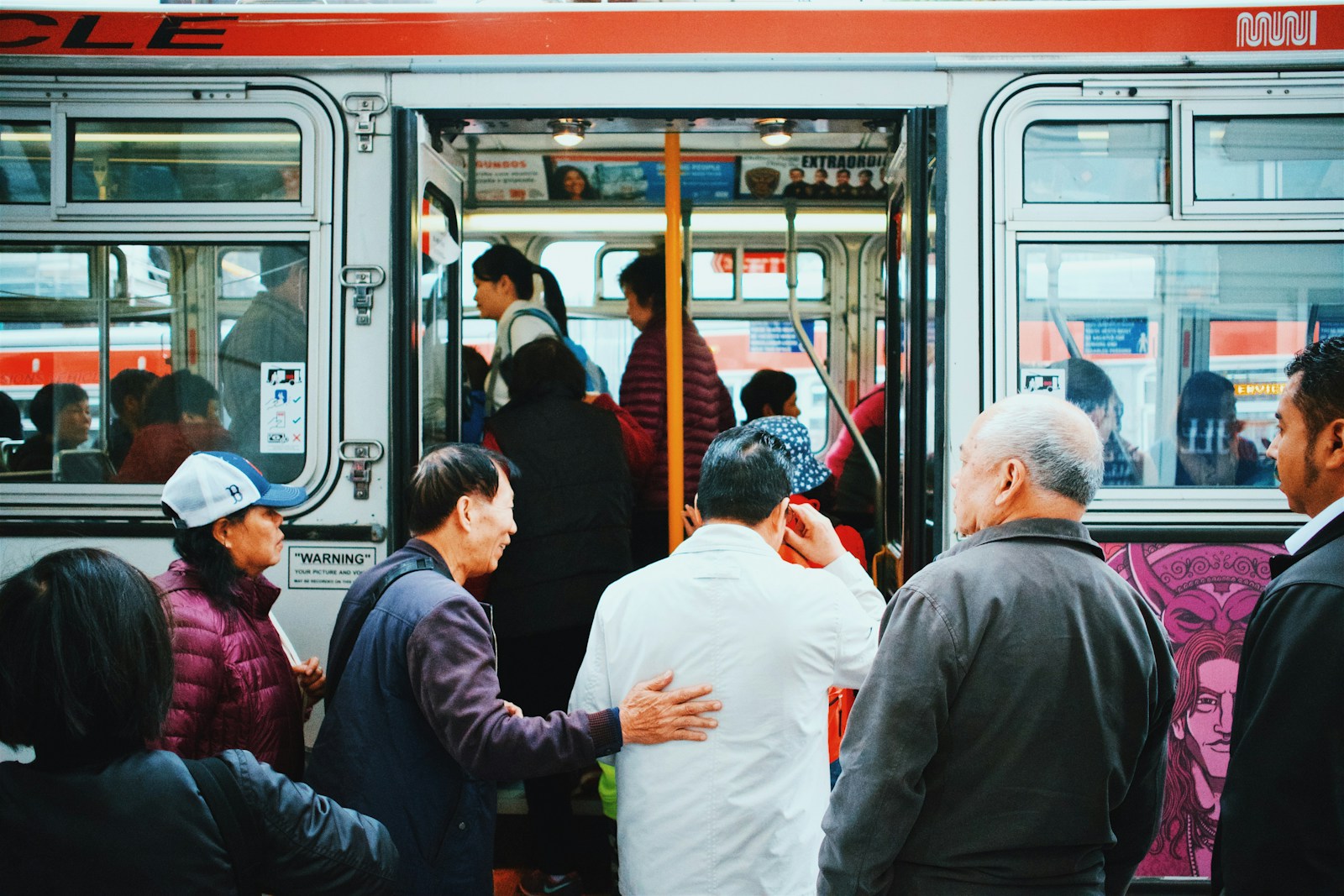
Navigating public transportation in a foreign city doesn’t just offer a means to get from point A to B; it immerses you in the everyday life of the locals, giving you a closer look at the cultural nuances of the place. The initial apprehension of tackling a new transit system can quickly turn into excitement as you learn to master the local routes and ticketing systems. Equipped with a bit of pre-trip research and the right digital tools, such as transit apps that provide real-time updates and maps, you can transform what might seem like a complex web of options into a smooth and efficient travel plan. This not only saves you money compared to the cost of taxis and private tours but also adds an authentic slice of local flavor to your journey.
Moreover, understanding and utilizing public transport systems abroad can significantly enhance your travel efficiency and confidence, empowering you to explore lesser-known neighborhoods and attractions that are often missed by typical tourist itineraries. Each bus ride, metro journey, or tram trip can reveal more about the city’s layout and local life, providing opportunities for spontaneous adventures and interactions. With this guide, you’ll not only navigate the public transportation system more adeptly but also enrich your overall travel experience by connecting more deeply with the city and its inhabitants.
Research Before You Go
Understanding the Basics of Public Transportation
Before embarking on your journey to a new city, taking the time to understand the various modes of public transportation can make a significant difference in how you experience your trip. Cities around the world offer a myriad of public transit options, from sprawling underground metros and trams zipping through historic districts to buses that wind through local neighborhoods and ferries that provide scenic routes across waterways. By researching these options beforehand, you gain the ability to strategically select the best transportation methods based on your itinerary. Whether it’s choosing the speed and efficiency of a metro system to maximize your sightseeing time or opting for a leisurely ferry ride to enjoy panoramic city views, knowing your options allows for optimized travel plans.
Additionally, familiarizing yourself with the public transportation system of a city can help in more practical ways, such as budgeting for travel expenses and minimizing the stress of navigating unfamiliar terrain. Many cities offer tourist-friendly travel passes that provide unlimited access to public transport, often coupled with discounts to popular attractions. Understanding how to purchase and use these passes, the operating hours of different transport modes, and the locations of major transit hubs can streamline your movements and enhance your comfort. This preparation not only ensures that you are well-informed but also equips you to handle the unexpected, like sudden route changes or transit delays, with greater ease. Thus, a little pre-trip learning can lead to a more enjoyable and immersive travel experience.
Useful Apps and Resources
In today’s digital age, navigating public transportation in a new city is greatly simplified by a variety of dedicated apps and online resources. Many urban areas boast their own specific transit apps designed to provide everything from real-time bus, tram, and train updates to service disruption notices and route planning features. These apps often include functionalities for buying and storing digital tickets, which can save you the hassle of trying to figure out local ticket machines or dealing with currency issues. Utilizing these tools not only streamlines your travel plans but also helps you avoid common pitfalls like missing the last train or getting on a bus heading in the wrong direction. Additionally, apps like Google Maps are indispensable for travelers, offering detailed transit routes and schedules that are integrated into their comprehensive mapping systems. This means you can plan your journey from your current location to any destination, receiving step-by-step transit directions that are easy to follow.
Beyond official transit apps, other resources such as city-specific travel blogs, forums, and websites can be invaluable. These platforms often provide insights that go beyond the basic mechanics of transportation, offering tips on the best times to travel, cost-saving advice, and recommendations for off-the-beaten-path routes that might offer a more scenic or interesting journey. For instance, seasoned travelers might share information about lesser-known night bus services that can be a boon when other forms of public transport have stopped running. Engaging with these communities can also offer a sense of connection and local know-how that enhances your travel experience, turning an ordinary trip on public transit into an opportunity to see the city through the eyes of its residents.
Planning Your Routes
Planning your routes in advance is a crucial step in ensuring a smooth and efficient travel experience in any foreign city. Before you even leave your accommodation, take the time to map out your journey, considering various factors such as travel times and the frequency of services throughout the day. This pre-planning phase allows you to avoid peak hours, which are typically congested and can considerably slow down your travel. Knowing the schedule helps you to optimize your outings, especially if you’re aiming to visit multiple sites in one day or need to make a timely reservation. Additionally, checking for any service disruptions before you start your day can save you from unexpected delays and frustrations. This might involve temporary route changes, station repairs, or strikes, all common occurrences in big cities that can impact transit systems.
Furthermore, smart route planning involves understanding the geography of the city and aligning it with the public transportation options available. This might mean choosing a tram or a bus that offers scenic views for parts of your journey or selecting a metro line that bypasses traffic-heavy areas, thus reducing your travel time. Apps and online resources can be instrumental in this process, providing dynamic updates and alternative routes that help you navigate around any potential disruptions. Additionally, consider the walking distance between transit stops and your destinations, as minimizing walking can be advantageous, especially in inclement weather or when traveling late at night. By anticipating and planning for these variables, you can make public transportation an enjoyable and integral part of your travel adventure, rather than a source of stress.
Local Transportation Passes and Tickets
Investigating the options for local transportation passes and tickets can significantly enhance your travel experience by simplifying movement and reducing costs. Many cities offer a variety of transit passes that cater specifically to the needs of tourists and frequent travelers, such as daily, weekly, or even monthly passes. These passes typically provide unlimited access to multiple types of public transport, including buses, trams, metros, and sometimes even ferries. The convenience of having a single pass eliminates the need to purchase individual tickets for each journey, which not only saves time but also helps you avoid the often-confusing fare structures and language barriers that can come with buying tickets in a foreign locale.
Moreover, utilizing these passes can lead to substantial savings, particularly if you plan to explore extensively. Since these passes are priced to encourage use, they often represent a significant discount compared to buying single-fare tickets. For example, a day pass might cost the equivalent of two or three single trips but will cover you for an entire day’s travel. Some cities also offer special tourist passes that include discounts or free entry to major attractions, adding even more value. Before you travel, it’s worthwhile to research and compare the different pass options online or consult with local tourism offices upon arrival to choose the best pass that fits your itinerary and travel style, ensuring you make the most efficient and cost-effective choices for navigating around your destination.
Navigating Buses and Trams
Identifying Bus and Tram Routes
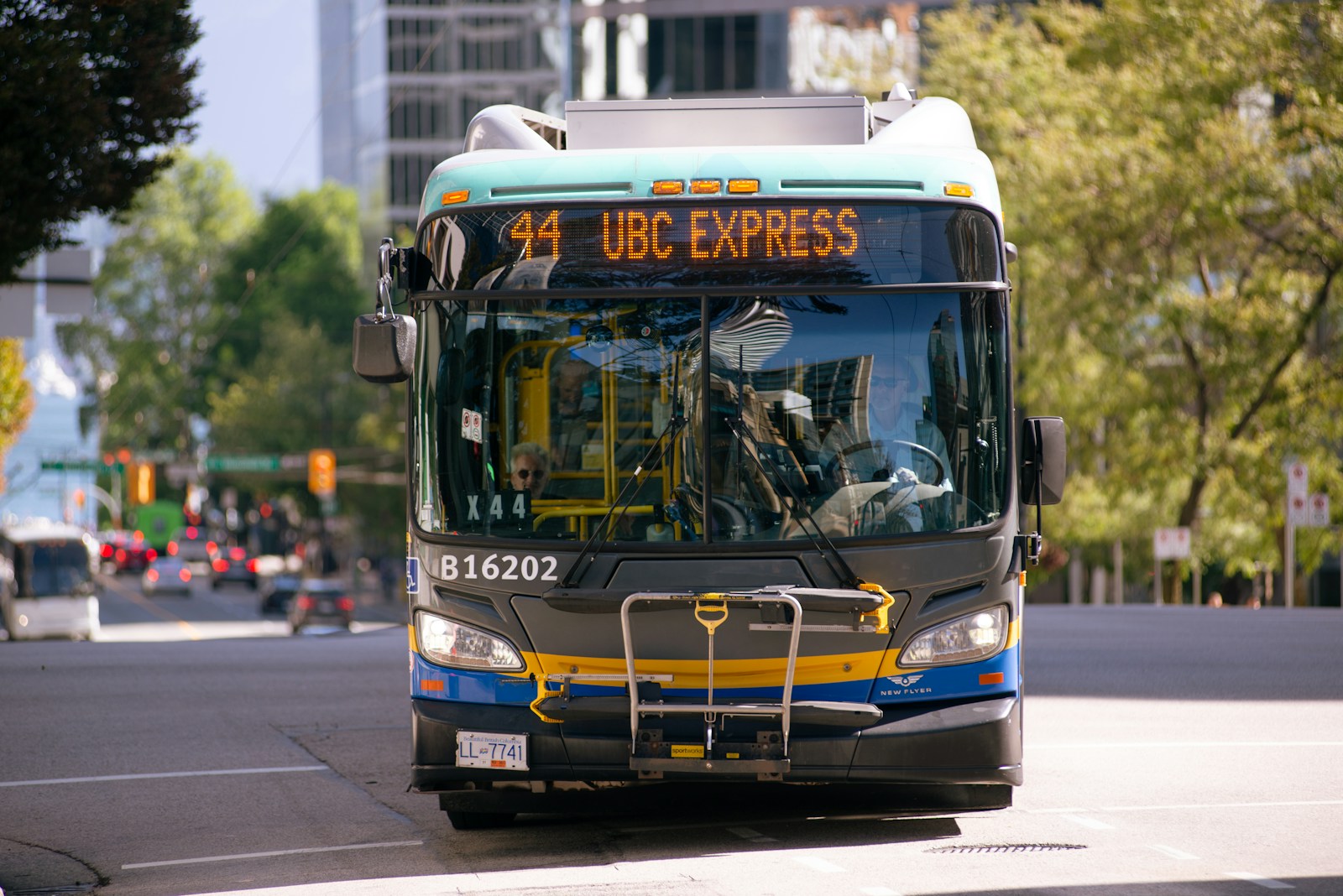
Identifying bus and tram routes effectively is essential for navigating any urban landscape smoothly. These routes can often be complex, with multiple lines intersecting and a variety of stops that can be confusing for first-time visitors. To tackle this, make use of local maps and digital applications that are designed to clarify public transit systems. These resources typically provide detailed information on routes, including the start and end points, major intersections, and connections with other lines. Furthermore, many cities have transit apps that not only map routes but also offer real-time updates, such as arrival times and service changes, which can be particularly useful during travel disruptions or off-peak hours. By studying these maps and utilizing apps, you can gain a comprehensive understanding of how buses and trams navigate through the city, helping you to plan the most efficient routes for your travels.
At the bus and tram stops themselves, you will often find posted maps, route numbers, and schedules that provide on-the-spot guidance. These displays are invaluable for double-checking your travel plans and making last-minute adjustments. They can also offer insights into the local area, such as nearby attractions or alternative transport options if your initial plan is not feasible. In addition to static information, many stops now feature electronic boards that show dynamic updates about when the next bus or tram is due to arrive, enhancing your ability to manage your travel time effectively. Familiarizing yourself with these tools and how they function in the context of the local public transportation network can greatly diminish the stress of traveling in a new city and increase your confidence as you move from one destination to another.
How to Read Time Tables
Understanding how to read time tables for buses and trams is a fundamental skill that can greatly enhance your efficiency when navigating public transportation in a new city. Time tables are generally straightforward, listing the departure times from the starting point of the route to the final destination. This information is crucial for planning your day, especially if you have appointments or reservations. To use these time tables effectively, first identify your route number and then look up the schedule for that specific line. It’s important to note the frequency of the service during different times of the day; some routes may have limited service early in the morning or late at night, and peak hours often have more frequent departures to accommodate the higher number of commuters.
Moreover, always check for any variations in the schedule on weekends or public holidays, as many cities reduce public transportation services on these days. This can affect travel times significantly, potentially disrupting your plans. Additionally, seasonal changes and special events can also lead to temporary adjustments in the timetable, so keeping an eye on local transit authority announcements or updates through their apps can help you stay informed of any changes. By mastering the reading of time tables, you can avoid unnecessary waiting times at bus stops or tram stations, ensuring a smoother and more enjoyable travel experience.
Tips for Boarding and Alighting
When utilizing public transportation in a foreign city, mastering the process of boarding and alighting can streamline your travel and reduce stress. Always ensure that your ticket is ready before you board; this might mean having a physical ticket in hand or ensuring your digital ticket is easily accessible on your phone. In many cities, tickets need to be validated which typically involves stamping them at a machine either at the station entrance or on the vehicle itself. This validation often serves as proof that you commenced your journey at a specific time, which is crucial to avoid penalties, especially in systems where ticket inspections are random and frequent.
Additionally, always confirm the direction of the bus or tram before you board. Many transportation lines operate in multiple directions, and it’s easy to mistakenly board a vehicle going in the opposite direction of your destination. To avoid this common mistake, check the route number and final destination displayed on the vehicle or at the platform. If unsure, don’t hesitate to ask a fellow passenger or the driver for confirmation. This simple verification can save you a significant amount of time and inconvenience, ensuring that your journey on public transport is as efficient as possible. These practical steps not only help in avoiding travel mishaps but also contribute to a smoother and more enjoyable trip.
Mastering the Metro

Understanding Metro Maps
Metro maps are ingeniously designed to be user-friendly, utilizing distinct colors to differentiate between various lines, which makes navigating complex underground or rail systems far less daunting. To effectively use these maps, start by locating the station nearest to your starting point and then trace the lines to your intended destination. Pay particular attention to the color-coded lines; this will help you identify which line or series of lines you’ll need to take. Also, note where you might need to change lines if your journey requires transfers. Metro maps often include symbols or special markings to indicate main transfer hubs, accessible services, or important landmarks, which can be incredibly helpful as you plan your route.
Moreover, familiarizing yourself with key stations along your route, especially those closest to major attractions or important intersections, can enhance your efficiency when traveling. This preparation can significantly reduce travel anxiety, as you’ll feel more confident about where you’re headed and how to get there. It’s also beneficial to learn the names of the end stations on each line; these are usually displayed on trains and platforms and can help ensure you’re traveling in the right direction. Before your trip, or while on your way, reviewing the metro map can make your journey smoother and more enjoyable, allowing you to focus more on the adventure and less on the logistics of getting there.
Purchasing and Using Metro Tickets
Purchasing metro tickets is a straightforward process facilitated by user-friendly machines that are available at most metro stations. These machines typically support multiple languages, making it easier for international travelers to navigate the purchasing options. Whether you need a single-journey ticket or a pass for multiple rides, these interactive kiosks guide you through the purchasing process step-by-step. It’s advisable to have local currency on hand, although many machines now accept credit cards and mobile payments, enhancing convenience. If you do run into any issues, such as language barriers or confusion about the best ticket option for your needs, don’t hesitate to approach the station staff. Many metro systems also have customer service counters where personnel are available to assist passengers with ticket purchases and provide information about the best fares and passes for tourists.
Once you have your ticket, it’s important to keep it accessible throughout your journey, as you may need to validate it at electronic gates when entering and exiting the metro system. In some cities, you might also be required to present your ticket to a conductor or during random checks. The fines for traveling without a valid ticket can be substantial, so keeping your ticket until you completely exit the metro station at your destination is crucial. Moreover, some tickets can be recharged with additional trips or extended for further use, which can be particularly economical for longer stays. By understanding these basics of purchasing and using metro tickets, you can ensure a smooth, hassle-free experience as you navigate the underground network of your destination city.
Etiquette and Safety on the Metro
Observing proper etiquette and ensuring safety while using the metro is vital for a pleasant and secure travel experience. Keeping your belongings secure is a primary concern, as crowded environments like metro stations and trains are often targets for pickpockets. Wear your backpack in front, and keep purses and wallets in secure, closed pockets. Being aware of your surroundings is also crucial; stay alert to the behavior of those around you and be cautious with your personal space. Additionally, it’s important to follow local norms and customs, such as standing on the right side of escalators to let others pass on the left, and offering seats to the elderly, pregnant women, or those with disabilities, which not only shows respect but also promotes a harmonious communal environment.
During peak travel times, metros can become exceedingly crowded, which can add a layer of stress to your journey. To mitigate this, plan to allow extra time for your travel, especially if you need to catch a connecting service or make a timely appointment. These additional minutes will help you navigate through crowded stations more calmly and ensure you don’t feel rushed. It’s also wise to familiarize yourself with the layout of the busier stations beforehand if possible, as knowing the locations of exits and transfers can significantly ease your movement through the crowds. By maintaining a vigilant and courteous demeanor, you can navigate the metro safely and efficiently, making your use of public transportation more enjoyable and stress-free.
Taking Taxis and Rideshares

When to Choose Taxis or Rideshares
Choosing taxis or rideshares can often be a practical decision, especially under circumstances where public transportation might not be the best option. For instance, late at night, the frequency of public transport services typically diminishes, and depending on the city, some services might not operate at all. In such cases, taxis or rideshare services offer a safer and more reliable alternative, ensuring that you reach your destination without the hassle of long waits or navigating through potentially unsafe areas during off-hours. Furthermore, during events, strikes, or unexpected disruptions in public transport services, rideshares and taxis provide a direct and less stressful means of travel, helping you maintain your schedule without significant delays.
Additionally, when traveling with heavy luggage or when you need to get to a location that isn’t easily accessible by public transit, these services become particularly beneficial. Taxis and rideshares eliminate the need to carry heavy bags through multiple transit changes and crowded stations, making your journey smoother and more comfortable. For those traveling in groups, rideshares can also be cost-effective, as the fare can be split among several passengers, potentially equating to the cost of individual public transport tickets. In essence, understanding when to opt for a taxi or rideshare can greatly enhance your travel experience, providing convenience and efficiency when most needed.
How to Avoid Scams
Navigating the risks of taxi scams effectively requires a proactive approach, starting with a good understanding of the usual fares in the area. Before entering a taxi, it’s advisable to research the typical costs of taxi rides in the city, which can often be found online or by asking local hotel staff or residents. This knowledge helps you assess whether a fare quoted by a driver is reasonable or if you might be getting overcharged. Once in the taxi, always ensure that the meter is running to avoid being charged a flat rate that could be significantly inflated. If the taxi does not have a meter, or if the driver refuses to use it, it’s wise to negotiate and agree on a fare before beginning your journey to prevent any unpleasant surprises at your destination.
Additionally, leveraging official taxi apps can significantly reduce the risk of encountering scams. These apps not only provide a platform for easy booking but also typically display the driver’s information, the estimated fare, and the route to be taken, all of which can be monitored in real-time. Payment through these apps can also be more secure, reducing the need to carry cash and preventing disputes over fares at the end of your ride. In cities where such apps are available, they offer a safer, more transparent, and often more convenient way to hire a taxi, giving you peace of mind and a more enjoyable travel experience.
Payment Methods
In today’s digital age, the range of payment methods for transportation services has expanded significantly, offering travelers various convenient options beyond the traditional cash transactions. While cash remains universally accepted and can be handy in areas where digital payments might not be as prevalent, many taxi services have adapted to technological advances by incorporating credit card payments right in the vehicle. This is facilitated through portable card readers that make transactions seamless and secure. Additionally, mobile payment options, such as Apple Pay, Google Wallet, or local mobile payment apps, are increasingly accepted. These methods not only streamline the payment process but also enhance security, as they minimize the need to carry large amounts of cash and help avoid the pitfalls of receiving counterfeit money.
Moreover, using credit cards or mobile payments offers the added benefit of creating a digital trail that can be useful for expense tracking and reimbursement, particularly important for business travelers. For international visitors, these payment methods can also circumvent the issues of currency exchange rates and bank fees on withdrawals. In many cities, taxi companies have their own proprietary apps, where you can register a payment method and handle all transactions directly through the app, providing a receipt electronically for each trip. This level of convenience and efficiency not only improves the travel experience but also aligns with global trends towards cashless societies, making it an essential consideration for modern-day travelers.
Bicycles and Walking as Alternatives

Renting Bikes in a Foreign City
Renting bikes in a foreign city presents an excellent opportunity for travelers to blend eco-friendly practices with the freedom to explore at a personal pace. Many urban environments have embraced the concept of bike rentals, often implementing comprehensive schemes that include networks of docking stations strategically placed throughout the city. These stations make it easy to pick up and drop off bicycles at various locations, facilitating point-to-point travel that is not tied to a bus or train schedule. Alternatively, many cities also offer bike rentals through mobile apps, where users can locate, unlock, and pay for bikes directly from their smartphones. This method is highly convenient, as it allows users to manage their rentals on the go, further enhancing the flexibility to explore city sights, local markets, or hidden gems that are often unreachable by public transportation.
Moreover, biking in a foreign city not only reduces your carbon footprint but also provides a healthier alternative to sitting in a vehicle. It enables a more immersive experience, where you can absorb the local atmosphere, stop at will, and interact more closely with the environment. For visitors interested in photography or those who enjoy taking spontaneous detours, biking offers an unparalleled advantage by allowing easy stops—free from the hassle of finding parking or paying taxi fares. Additionally, many cities have begun to cater more extensively to cyclists, adding bike lanes and improved signage, making biking a safer and more enjoyable way to navigate urban landscapes. As a result, choosing to rent a bike can enrich your travel experience, offering both a leisurely pace and a unique perspective of the city.
Safe Walking Paths
Walking is arguably one of the most intimate ways to explore a city, allowing you to experience its rhythms, sounds, and nuances up close. To ensure a pleasurable and safe experience, it’s crucial to research and plan your walking routes ahead of time. Opt for paths that are well-traveled by locals and well-lit during the evenings, especially if you plan to be out after dark. Many cities also feature scenic walking routes that can take you through historic districts, along waterfronts, or through bustling marketplaces, providing a rich sensory experience of the locale. Additionally, some cities offer guided walking tours—both free and paid—that not only ensure safety but also offer insights into the area’s history and culture from knowledgeable locals.
Combining walking with public transportation can significantly expand your exploration range without causing fatigue. This strategy allows you to cover vast areas and various neighborhoods that might be too far to reach on foot alone. For instance, you can take a metro or a bus to a distant part of the city and then explore its surroundings on foot. This approach not only saves time but also energy, making your travel more efficient and enjoyable. Planning your walking routes with accessibility to public transit in mind ensures that you can return to your starting point or reach other destinations easily, providing a flexible and comprehensive way to experience the city.
Cultural Considerations

Understanding Local Customs and Etiquette
Understanding and respecting local customs and etiquette is crucial when using public transportation in a foreign city. These unwritten rules not only facilitate smoother interactions with locals but also reflect respect for the cultural norms of the place you are visiting. For instance, in many cultures, it is common courtesy to offer your seat to the elderly, pregnant women, or individuals with disabilities. This practice is not only considerate but often expected by fellow passengers and helps maintain a congenial environment on busy transit systems. Additionally, some cities may have specific practices regarding silence on public transport, where talking loudly or using your phone might be frowned upon. Adhering to these norms can prevent inadvertently offending locals and ensures a more pleasant and respectful journey for everyone involved.
Moreover, familiarizing yourself with the local etiquette regarding queueing can also enhance your travel experience. In some places, there might be very strict adherence to forming orderly lines when waiting for buses or trains, while in others, the approach might be more relaxed. Knowing and following these subtle social cues can make navigating public transport much easier and less stressful. It’s also beneficial to observe how locals interact with transport staff and other passengers, as this can provide valuable insights into acceptable behavior. By taking the time to learn and adapt to these local customs, you not only enrich your own travel experience but also convey a sense of cultural sensitivity and awareness that is often appreciated by the local community.
Language Tips and Useful Phrases
Learning a few key phrases in the local language can dramatically enhance your travel experience, particularly when it comes to navigating public transportation systems in a new city. Being able to ask basic questions such as “How much is the ticket?” or “Which way to the metro station?” not only facilitates smoother movement but also helps in building rapport with locals. This minimal linguistic effort can lead to more authentic interactions and can sometimes result in helpful insider tips about the best routes or times to travel. Moreover, local residents often appreciate when visitors make an effort to speak the local language, even if it’s just a few words, and this can lead to a warmer, more welcoming experience overall.
Additionally, mastering simple directional phrases and transportation-related vocabulary can save you from potential confusion and the stress of getting lost in unfamiliar places. It’s particularly beneficial in countries where English is not widely spoken or in remote areas where signage might not be in English. Knowing how to ask for help, clarify directions, or even negotiate fares in the local language not only boosts your confidence as a traveler but also enhances your safety by ensuring that you can always find your way. Carrying a small phrasebook or having a language translation app ready on your mobile device can be invaluable aids in these situations, bridging the language gap and enriching your travel adventures.
Handling Conflicts
In the event of a dispute or misunderstanding during your travels, maintaining composure and politeness is crucial. Escalating the situation can lead to further complications, making it harder to resolve the issue. Staying calm helps you think more clearly and communicate more effectively, thereby increasing the likelihood that the conflict will be resolved favorably. In many cases, particularly in contexts where cultural norms highly value respect and decorum, your calm demeanor can facilitate easier interactions with locals who may be more inclined to assist someone who appears rational and respectful. Furthermore, transport staff and local bystanders often possess the necessary language skills and cultural knowledge to mediate minor conflicts and can provide invaluable assistance in bridging communication gaps.
It’s also beneficial to remember that misunderstandings can often be attributed to cultural differences or language barriers, rather than ill intentions. Approaching conflicts with an open mind and a willingness to see from the other party’s perspective can help diffuse tensions. Expressing your concerns clearly and listening actively to the other person’s response can lead to mutual understanding and a peaceful resolution. In some cases, it may be appropriate to seek help from authoritative figures such as police or official mediators if the dispute cannot be resolved through direct communication. By addressing conflicts with patience and respect, you not only safeguard your own travel experience but also uphold the dignity and respect of those involved in the misunderstanding.
Troubleshooting Common Transportation Challenges
Dealing with Delays and Cancellations
Delays and cancellations are an inevitable aspect of public transport, often caused by factors beyond the control of travelers or even service providers, such as weather conditions, technical issues, or unexpected maintenance. To mitigate the impact of these disruptions on your schedule, it’s wise to have a well-thought-out backup plan. Before embarking on your journey, familiarize yourself with alternative routes and other modes of transportation available in the area. For example, knowing the bus routes that parallel a train line can provide a quick alternative should the train service be interrupted. Additionally, apps that provide real-time transit updates can be invaluable in these situations, allowing you to adjust your plans efficiently and avoid unnecessary delays.
Having a flexible mindset and preparing for potential changes can also reduce the stress associated with travel disruptions. Packing essential items such as snacks, water, and entertainment can make waiting more bearable. Consider planning appointments or meetings with some buffer time to accommodate unexpected delays, particularly if you’re traveling for important events. In some cases, it may even be worthwhile to explore options like rental cars or ride-sharing services as a contingency plan. By anticipating these disruptions and planning accordingly, you can ensure that your travel experience remains positive, regardless of the inevitable hiccups along the way.
Lost and Found Services
If you find yourself in the unfortunate situation of losing an item on public transport, the first step is to contact the local transport authority’s lost and found service. Most transit systems have a dedicated department for handling lost items, and they can be a crucial resource in helping to retrieve your belongings. It is beneficial to act quickly, as the chances of recovering lost items can decrease over time. Provide the lost and found service with detailed information about the route, time, and location where you believe you lost the item, as this can significantly enhance their ability to track it down. Additionally, be prepared to describe the item in detail and, if possible, provide any unique identifiers such as serial numbers or custom markings.
Keeping a note of any identifying features of the items you carry can be incredibly helpful in such scenarios. Before traveling, consider taking photos or listing characteristics of valuable items you are carrying, especially electronics, which can often look similar to one another. This preparatory step not only aids in the recovery process if something is lost but also speeds up the verification process when claiming your item, ensuring that it is returned to the rightful owner. This proactive approach can minimize the disruption and stress often associated with losing personal belongings during travel, making it easier to enjoy your journey with peace of mind.
Getting Help in Emergencies
In case of an emergency, it’s important to know the local emergency contact numbers and how to ask for help in the local language.
Conclusion
Navigating public transportation in a foreign city requires a bit of preparation and flexibility. By understanding the local system, using the right tools, and staying aware of your surroundings, you can make public transport a rewarding part of your travel experience. Always remember to respect local customs and practices to ensure a smooth journey.
Additional Resources
For more detailed information, consider visiting official city transportation websites or contacting local tourist information centers.