


Traveling alone offers a unique chance to explore the world at your own pace and according to your own interests, providing a profound sense of freedom that can rarely be matched in group travel. Solo travel demands a level of self-reliance that fosters personal growth and resilience; it forces you to interact with the world directly, manage unexpected situations independently, and make decisions on the fly. This can be a deeply empowering experience, as it pushes you out of your comfort zone and challenges you to engage with unfamiliar cultures and environments. Each decision, from which landmarks to visit to where to dine, is yours alone to make, allowing you to create a journey that truly reflects your personal preferences and desires.
As you navigate through the complexities of organizing a solo trip—from securing accommodations and arranging transport to planning your itinerary—you learn valuable life skills that extend far beyond the travel itself. Solo travel also offers rich opportunities to meet new people, from locals who can provide genuine insights into their culture, to fellow travelers who share similar interests. These encounters can lead to meaningful connections and even lifelong friendships, adding another layer of richness to your travel experience. When you finally return home, you don’t just bring back souvenirs, but a treasure trove of experiences and stories that have the power to transform your perspective and inspire future adventures.
Introduction to Solo Travel
What is Solo Travel?
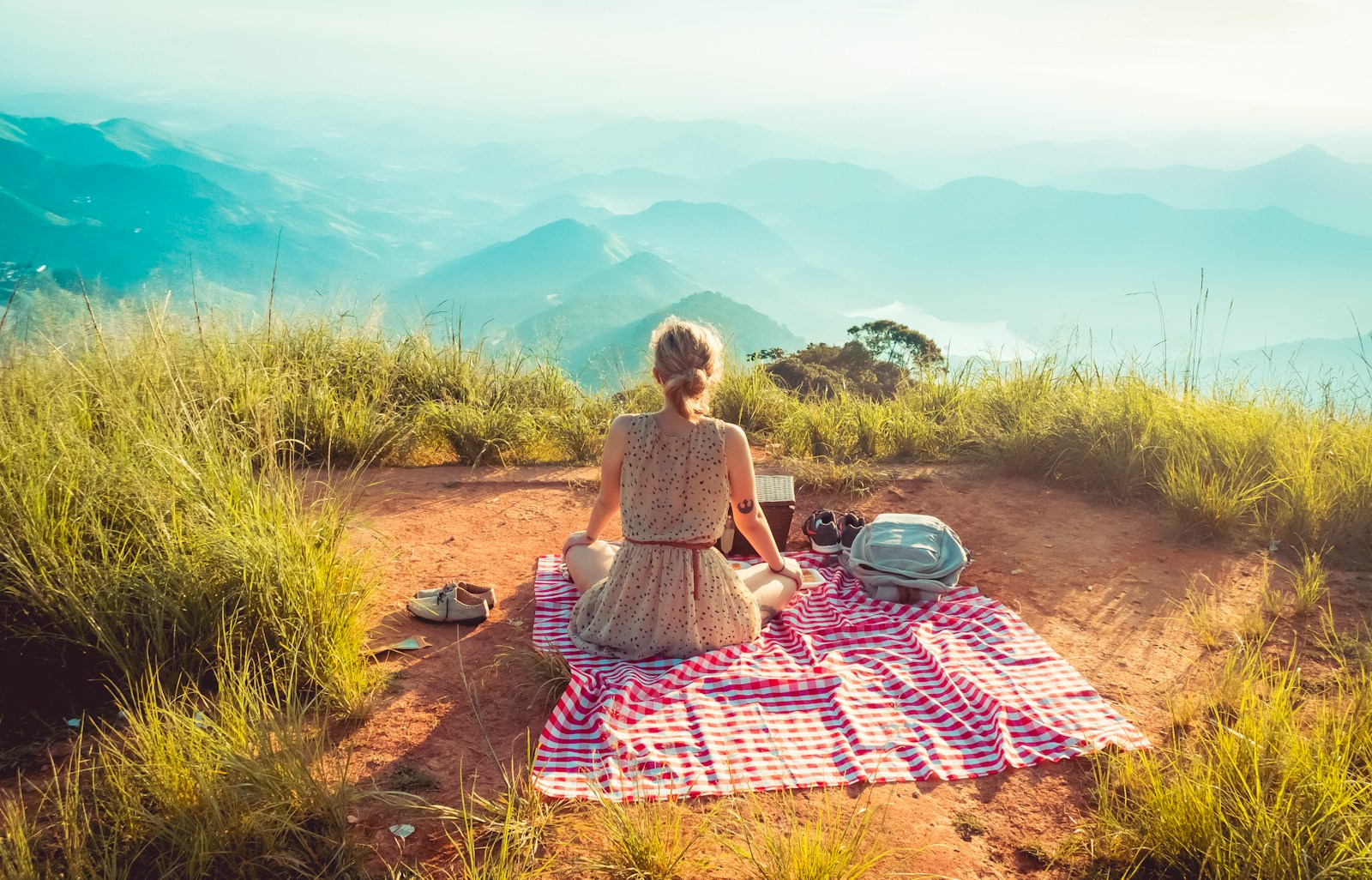
Solo travel is essentially about embracing the opportunity to explore the world on one’s own terms, unhindered by the compromises and negotiations that often accompany group travel. It allows for a level of spontaneity and self-determination that can be deeply liberating. Traveling alone, you make all the decisions about where to go, what to see, how long to stay, and what to skip, tailoring the trip to your own specific interests and pace. This independence not only enhances the sense of adventure but also intensifies the personal connection to the experiences encountered along the way. Whether it’s choosing to wake up early for a sunrise hike or deciding to spend an extra day in a city that has captured your heart, solo travel molds perfectly to your individual rhythm and desires.
Moreover, solo travel cultivates a sense of self-reliance and confidence that is often less pronounced in group travel. As you navigate foreign environments, solve problems, and make decisions independently, you develop a robust set of skills and a greater sense of capability. This empowerment is one of the most rewarding aspects of traveling alone. It’s about more than just seeing new places; it’s about experiencing them in a way that stimulates personal growth and self-discovery. Solo travelers often return from their journeys with not only amazing stories but also a new-found confidence that permeates other aspects of their lives.
Benefits of Traveling Alone
Traveling alone offers profound benefits that extend beyond mere sightseeing. One of the most significant advantages is the development of personal autonomy and decision-making skills. When you travel solo, every choice, from the mundane to the monumental, rests on your shoulders. This constant exercise in decision-making enhances your ability to trust and rely on your instincts, making you more decisive and self-assured. Moreover, solo travel forces you to confront and solve unexpected challenges, from navigating public transport in a foreign language to handling the logistics of accommodation and itineraries. These experiences sharpen your problem-solving skills, making you more adaptable and resourceful.
Beyond the practical skills, solo travel also deepens your cultural understanding and empathy. Without the buffer of familiar company, you’re more likely to interact with locals and immerse yourself in the local culture. This can lead to a more authentic travel experience that isn’t just about ticking destinations off a list but truly engaging with different ways of life. Such experiences can alter perspectives, broaden horizons, and foster a deeper respect for the diversity of the world around us. The solitude of traveling alone often leads to rich reflections and insights, adding a layer of personal growth that can transform a simple trip into a transformative life experience. These elements together make solo travel not only addictive but profoundly rewarding.
Planning Your Solo Adventure
Choosing the Right Destination
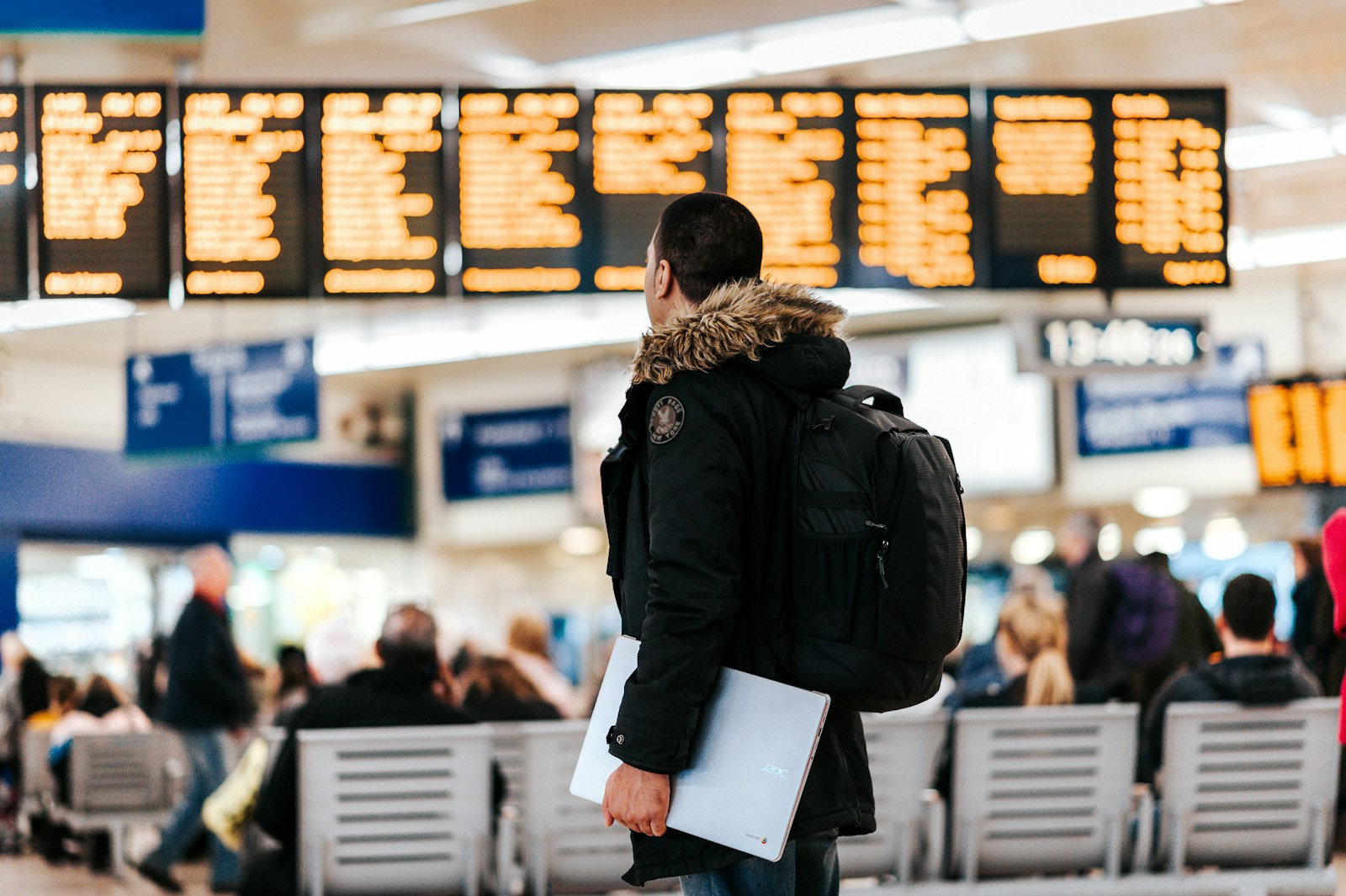
Choosing the right destination is a critical step in planning a solo travel adventure, especially for those embarking on such a journey for the first time. It’s essential to select a location that not only sparks your interest but also ensures your safety and comfort. Consider destinations known for their robust public transportation systems, as this can make navigating on your own simpler and more cost-effective. Moreover, opting for locations with a reputation for safety and where locals are known for their hospitality can greatly enhance your experience. Such environments tend to be more welcoming and supportive, offering peace of mind and making it easier to engage with the community and immerse yourself in the local culture.
Additionally, it’s wise to consider how well a destination matches your personal interests and hobbies. For instance, if you’re an art enthusiast, cities like Paris, Florence, or New York might be more appealing, offering countless museums and cultural experiences. On the other hand, if you prefer outdoor activities, destinations like New Zealand or the Canadian Rockies might be more suitable, with their extensive networks of hiking and biking trails. Taking the time to research various destinations based on these criteria can help ensure that your solo travel experience is both enjoyable and fulfilling. Tailoring your choice to align with your interests not only maximizes your enjoyment but also provides a richer, more engaging experience.
Essential Travel Tips for Solo Travelers
For solo travelers, thorough research is not just beneficial—it’s essential. Before embarking on your journey, take the time to dive deep into the specifics of your destination. Understanding local customs and cultural norms can save you from potentially awkward or disrespectful situations. It also enriches your travel experience by allowing you to engage more deeply with the community and appreciate the nuances of different cultures. Equally important is getting to grips with logistical aspects such as visa requirements, which can vary widely between countries and can be complex. Being well-prepared in these areas ensures that you avoid last-minute hurdles and focus more on enjoying your trip.
Additionally, leveraging the collective wisdom of travel communities online can significantly enhance your travel preparation. Platforms like Lonely Planet forums and TripAdvisor not only provide a wealth of destination-specific information but also offer insights into the experiences of other solo travelers. These can include tips on lesser-known attractions, advice on how to save money, recommendations for solo traveler-friendly accommodations, and even safety information. Engaging with these communities can also provide a sense of connection and support, which is particularly valuable when planning to travel alone. By preparing thoroughly and tapping into the knowledge of experienced travelers, you can minimize risks and make the most of your solo adventure.
Packing Essentials for Solo Trips
Packing for a solo trip requires a balance between being prepared and traveling light. Choosing the right backpack is crucial—it should be sturdy yet lightweight, and versatile enough to handle everything from urban exploration to possible rugged adventures. Inside, pack clothing that is adaptable and appropriate for various climates and cultural norms, especially if you’ll be visiting multiple regions. This might include layering options like t-shirts, a sweater, and a waterproof jacket. Essentials such as a universal travel adapter, a power bank, and your smartphone are indispensable for staying connected and navigating new areas. Also, a good travel insurance policy is vital, providing peace of mind for health, theft, and trip interruption coverage.
Additionally, organizing your travel documents is critical for any solo journey. Ensure you carry copies of your passport, visa, travel insurance policy, and any other necessary identification to avoid troubles in case of loss or theft. These documents should ideally be kept in a separate, secure compartment in your backpack. For added security, consider using digital backups stored in a secure cloud or email service, accessible from any device connected to the internet. Such precautions not only safeguard your information but also streamline any necessary interactions with local authorities or embassies, should the need arise during your travels.
Navigating Solo Travel Safety
Staying Safe While Traveling Alone
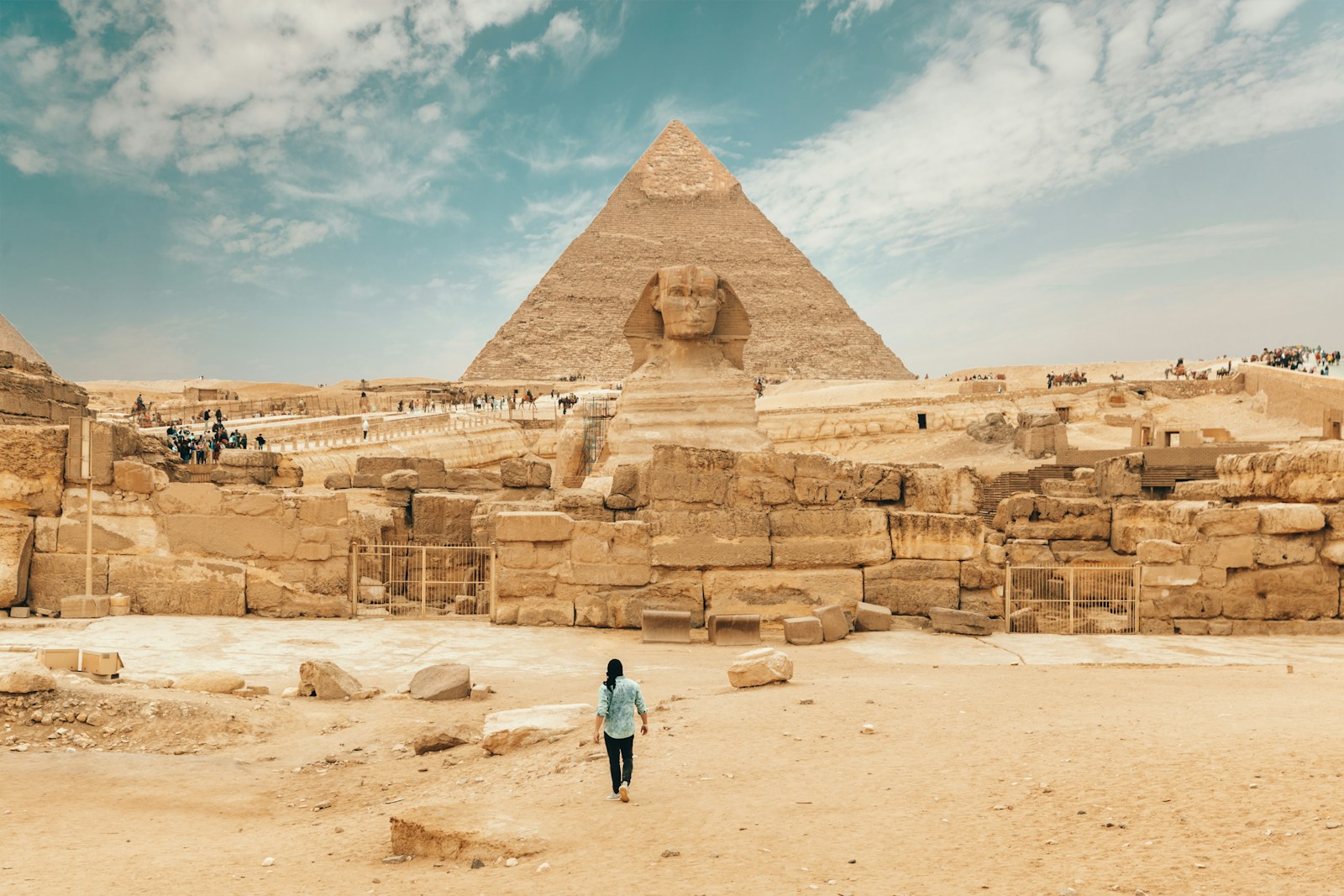
Ensuring personal safety is crucial when traveling alone, and keeping a constant line of communication open with family or friends is a key part of this. By regularly updating your loved ones on your travel plans, you provide them with the peace of mind of knowing your whereabouts and planned movements. This practice is particularly important when transitioning from one location to another, such as moving cities or checking out of hotels. For added security, leveraging technology to share your location in real-time can be immensely helpful. Apps like WhatsApp, Find My Friends, or Google Maps offer features where you can share your live location with trusted individuals, ensuring that someone always knows exactly where you are in case of an unexpected event.
In addition to keeping in touch, having a robust backup plan for emergencies is essential. This could involve having important addresses and phone numbers handy, such as local emergency services, the nearest embassy, or consulate of your country. It’s also wise to have a contingency fund accessible in case you need to make sudden travel changes like booking an emergency flight home or shifting accommodations. Keeping a physical copy of important documents in a safe but separate location from your originals and having digital copies stored securely online can save you from major headaches if you lose your primary documents. Together, these strategies form a comprehensive approach to maintaining safety while embracing the adventures of solo travel.
Managing Health and Well-being on the Road
Maintaining health and well-being while on the road is crucial, especially when traveling solo. To safeguard against potential health issues, it’s important to be well-prepared before you depart. A well-stocked first aid kit is essential and should include items such as bandages, antiseptic wipes, pain relievers, and any prescription medications you may need. It’s also wise to carry remedies for common travel-related ailments like upset stomachs, headaches, and allergies. Furthermore, if you have specific medical conditions, ensure you have an adequate supply of your prescribed medications, as they may not be readily available at your destination. Prior to departure, research the medical facilities nearest to where you’ll be staying. Knowing the location of the closest hospitals and clinics, and how to get there, can significantly reduce stress if a medical emergency does arise.
In addition to physical health, maintaining your mental well-being is equally important. Travel can sometimes be stressful, with unexpected situations and perhaps language barriers that can cause anxiety. Establish routines that promote a sense of normalcy and comfort, such as morning exercises, reading, or journaling. Staying connected with friends and family back home can also provide a psychological boost and a sense of connectedness while away. Regular check-ins via video calls or social media can help stave off feelings of loneliness and isolation, particularly during longer trips. Taking these proactive steps not only helps in managing any potential health issues but also ensures that your travel experience remains enjoyable and fulfilling.
Maximizing Your Solo Travel Experience
Connecting with Locals and Other Travelers
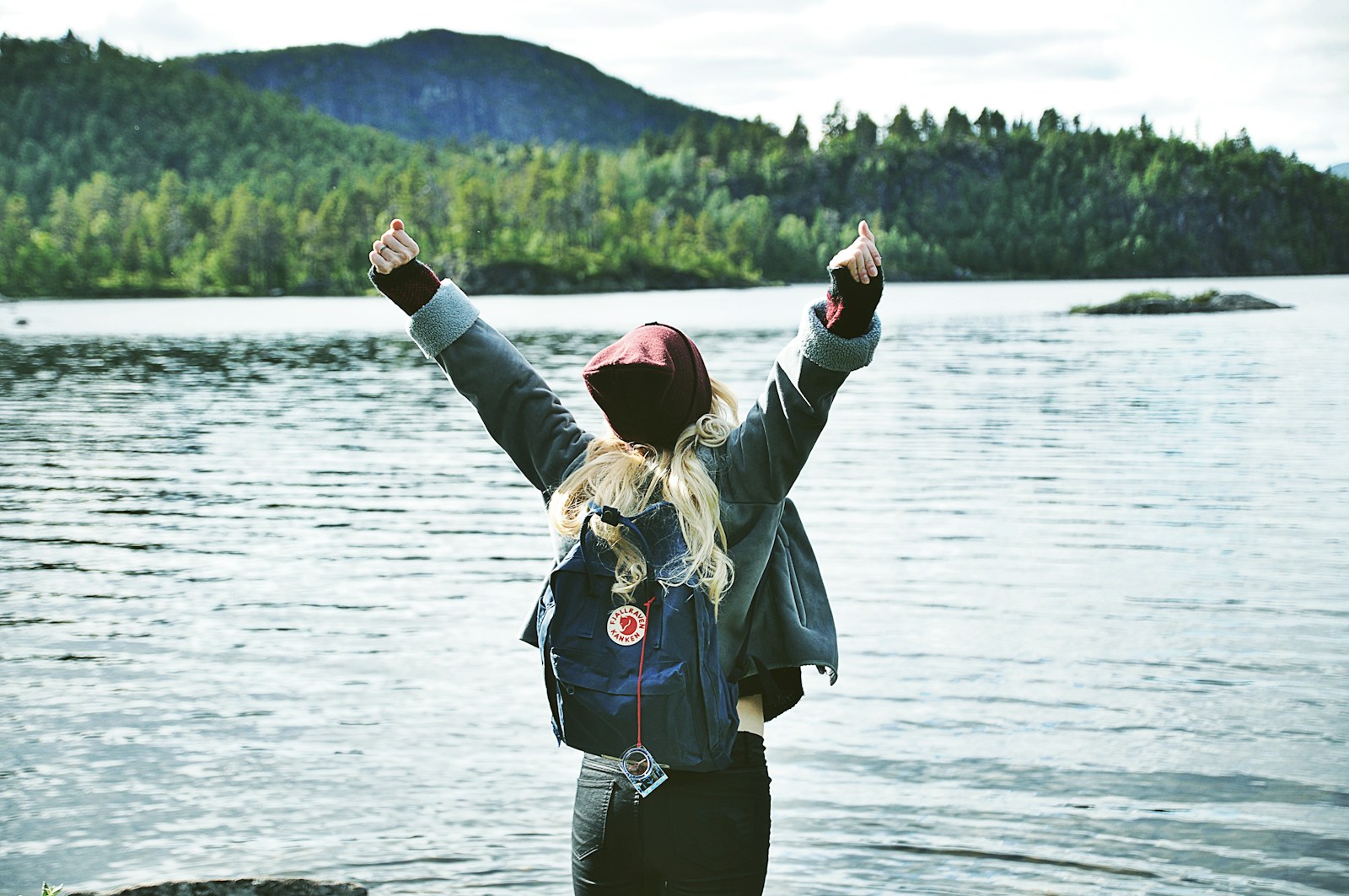
Connecting with locals and other travelers is one of the most enriching aspects of traveling, especially when you are exploring solo. Engaging with local people not only deepens your understanding of the culture but can also transform a standard trip into a memorable adventure. Locals can provide unique insights into their community, from recommending hidden gems that aren’t in guidebooks to sharing personal stories and traditions. This type of interaction enriches your travel experience by adding layers of depth and authenticity that you simply cannot gain through solitary exploration. Furthermore, forming connections with locals can sometimes lead to lifelong friendships, offering you a more personal connection to the place and a reason to return.
Meeting fellow travelers is equally beneficial as it creates opportunities to share experiences and tips that can enhance your journey. Participating in language exchange meetups or joining guided tours can serve as excellent platforms for such interactions. These activities not only help you connect with the local culture but also allow you to meet like-minded individuals who share your travel interests. Often, these new connections can provide companionship for part of your journey or even evolve into lasting friendships. Such social interactions can make traveling solo less daunting and more enjoyable, as you share experiences and tackle challenges together, making the world feel a little smaller and more connected.
Cultivating Personal Growth and Independence
Solo travel offers an unparalleled opportunity for personal growth and the cultivation of independence that extends far beyond the duration of the trip itself. As you navigate unfamiliar environments alone, you face challenges that require you to rely on your own resourcefulness and decision-making skills. These experiences, whether they involve dealing with a missed connection or solving unexpected logistical issues, foster a sense of self-reliance and confidence. Overcoming such obstacles not only enhances your ability to manage future uncertainties but also contributes to a deeper sense of personal empowerment. This growth manifests in various aspects of life, improving your ability to adapt to new situations and solve problems more effectively, skills that are invaluable in both personal and professional contexts.
Moreover, solo travel pushes you out of your comfort zone and compels you to engage with the world in ways you might not when traveling with others. It encourages introspection and self-discovery, allowing you to explore not only new landscapes but also different facets of your personality and capabilities. The independence you develop from making all the decisions about your itinerary, handling your finances, and interacting with strangers cultivates a robust sense of autonomy. This profound journey of self-discovery and independence can lead to significant life changes, influencing your values, career choices, and relationships. Ultimately, the lessons learned and the personal growth achieved through solo travel can redefine your self-identity and life path, making it a truly transformative experience.
Technology and Tools for Solo Travelers
Must-Have Apps and Gadgets
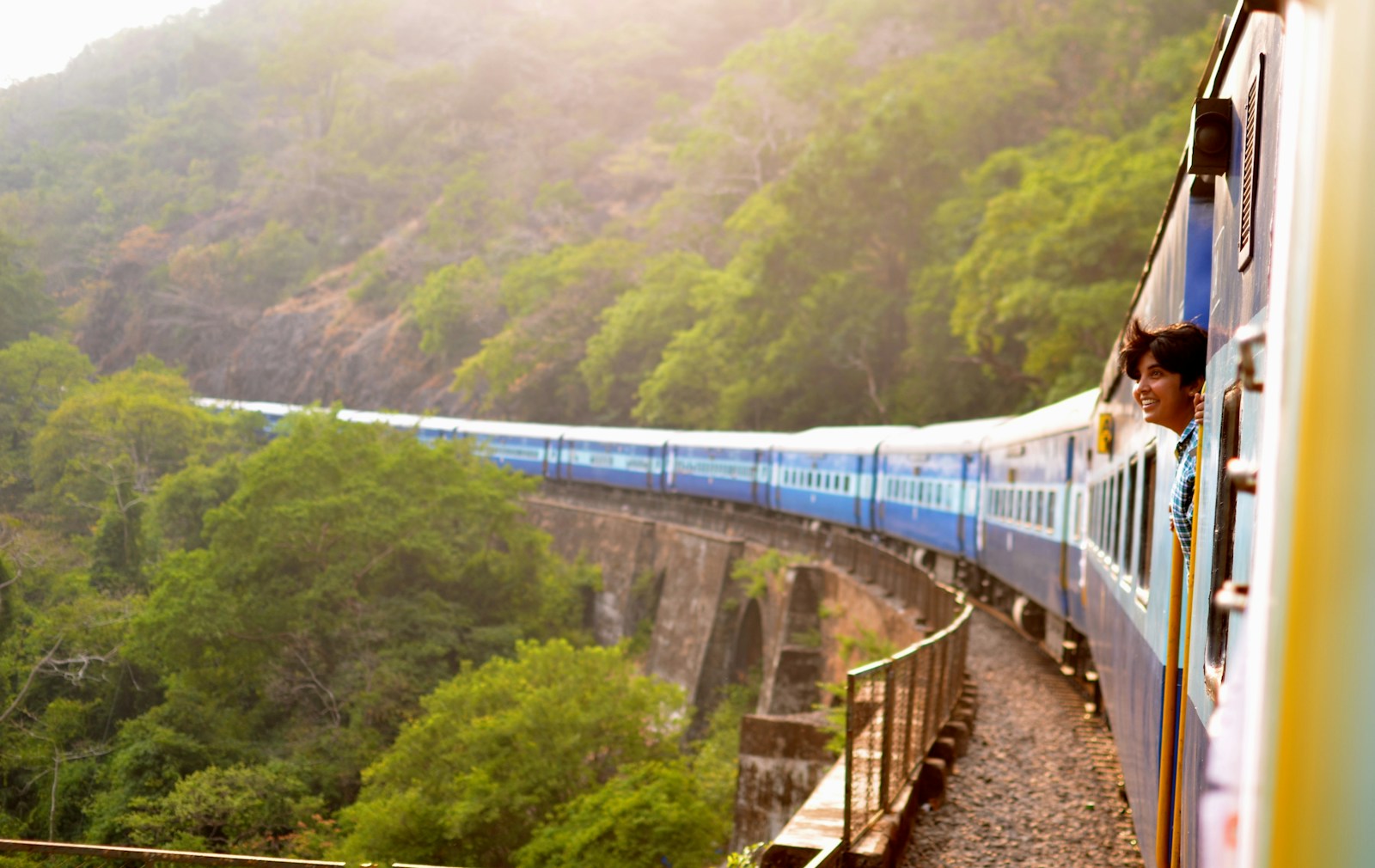
In today’s digital age, technology plays a crucial role in enhancing and simplifying the travel experience, especially for solo adventurers. Investing in the right apps and gadgets can significantly streamline various aspects of your journey. For instance, translation apps such as Google Translate can break down language barriers, allowing you to communicate more effectively with locals and enrich your cultural interactions. Similarly, map apps like Google Maps are indispensable for navigation, offering detailed directions and helpful features like real-time traffic updates and public transit routes. Furthermore, travel planning apps can assist in organizing your itinerary, booking accommodations, and even tracking your expenses, ensuring everything is in one easily accessible place.
A reliable smartphone effectively combines all these functionalities, serving as a navigator, translator, and digital guidebook. This makes it an essential gadget for any solo traveler. Additionally, other helpful gadgets include portable power banks to keep your devices charged on the go, noise-canceling headphones for long flights or train rides, and a high-quality camera or smartphone attachments for capturing those unforgettable travel moments. By equipping yourself with these technological tools, you can minimize stress and maximize enjoyment during your travels, keeping all necessary resources at your fingertips. This not only makes solo traveling more manageable but also more safe and enjoyable, allowing you to focus on the adventure and experiences ahead.
Keeping in Touch: Communication While Abroad
In today’s connected world, staying in touch while traveling abroad has become more straightforward and cost-effective than ever before. Communication apps like WhatsApp, Skype, and various social media platforms enable travelers to keep in contact with family and friends back home without the need for expensive international calling plans. WhatsApp offers not only text messaging but also voice and video calls over Wi-Fi, which means you can chat from virtually anywhere you have an internet connection. Similarly, Skype allows for video conferences, which can be invaluable for travelers who may be on extended trips and want to see their loved ones’ faces. These apps ensure that despite being miles away, you can share experiences and moments almost instantly, making the distance feel shorter.
Moreover, social media platforms like Facebook, Instagram, and Twitter serve as additional tools for sharing and staying connected. They allow travelers to update their followers and family members with photos, videos, and stories, turning what was once a private experience into a shared adventure. The interactive nature of these platforms also means that you can receive instant feedback and support from your social circles, which can be particularly comforting when traveling alone. Many travelers use these platforms to document their journeys, creating digital travel diaries that can be looked back on for years to come. With these tools at your disposal, the logistical challenges of communication across time zones diminish significantly, ensuring that you remain woven into the fabric of your social world, no matter where you are in the physical one.
Overcoming Challenges of Solo Travel
Dealing with Loneliness and Homesickness
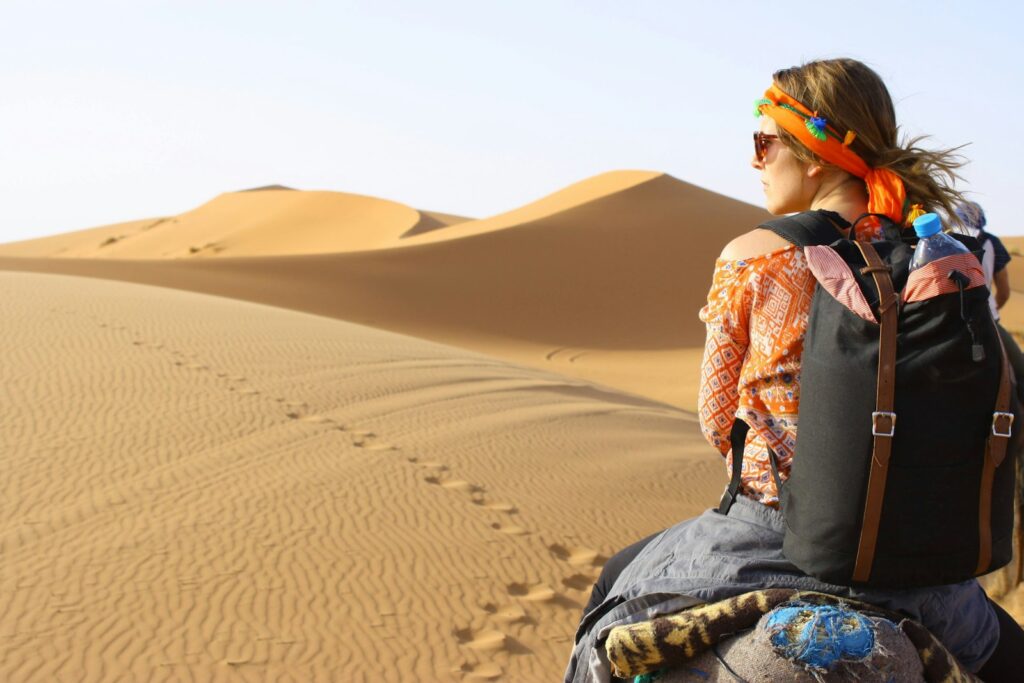
Feeling lonely or homesick is a common challenge for many solo travelers, especially during extended trips away from familiar environments and loved ones. Such emotions are natural and acknowledging them is the first step towards managing these feelings effectively. One therapeutic way to cope is by keeping a travel journal or starting a blog. This practice not only serves as a creative outlet to express your feelings and thoughts but also helps in processing the day-to-day experiences of your journey. Writing down what you see, do, and feel can provide a sense of routine and normalcy amidst the unfamiliarity. Furthermore, sharing these experiences through a blog can help you connect with others who might be going through similar experiences or who are interested in your journey, thereby reducing feelings of isolation.
Moreover, maintaining such journals or blogs can keep you connected with people back home. By sharing your travels and experiences in a blog, you provide family and friends with insights into your world, making them feel a part of your adventure, which can significantly bridge the emotional distance. They can follow your journey, offer support through comments or messages, and engage with your experiences, which adds an interactive element to your travels. This connection can be immensely comforting, knowing that despite the physical distance, your loved ones are just a post away. Additionally, revisiting your own entries can remind you of why you embarked on the trip and the personal growth you are achieving, thus refocusing your perspective and helping to alleviate feelings of loneliness or homesickness.
Solving Common Travel Issues Independently
Navigating through common travel setbacks independently not only fosters a sense of resilience but also hones your problem-solving skills. Developing a can-do attitude is critical when you’re miles away from home and need to deal with unexpected situations such as lost luggage or missed transportation. By facing these challenges head-on, you learn to think quickly on your feet, seek out resources, and make informed decisions under pressure. This process often involves a certain level of creativity, whether you’re figuring out alternative travel routes or finding ways to replace essential items that were lost. Each successful resolution reinforces your ability to manage future difficulties, enhancing your confidence and independence as a traveler.
Moreover, handling these issues on your own can lead to deeper local engagement and a more enriching travel experience. For instance, navigating a missed train may require communicating with local station staff or fellow travelers, which not only aids in solving your immediate problem but also improves your language and interpersonal skills. Similarly, dealing with lost luggage might lead you to local markets or stores you would not have explored otherwise, providing an unexpected opportunity to interact with the culture more authentically. These experiences, while challenging, can add unexpected depth to your journey, transforming simple mishaps into memorable parts of your travel story. Such challenges push you out of your comfort zone and gradually build a versatile skill set that prepares you for whatever lies ahead on your travel path.
Returning Home: Integrating the Experience
Reflecting on Your Journey
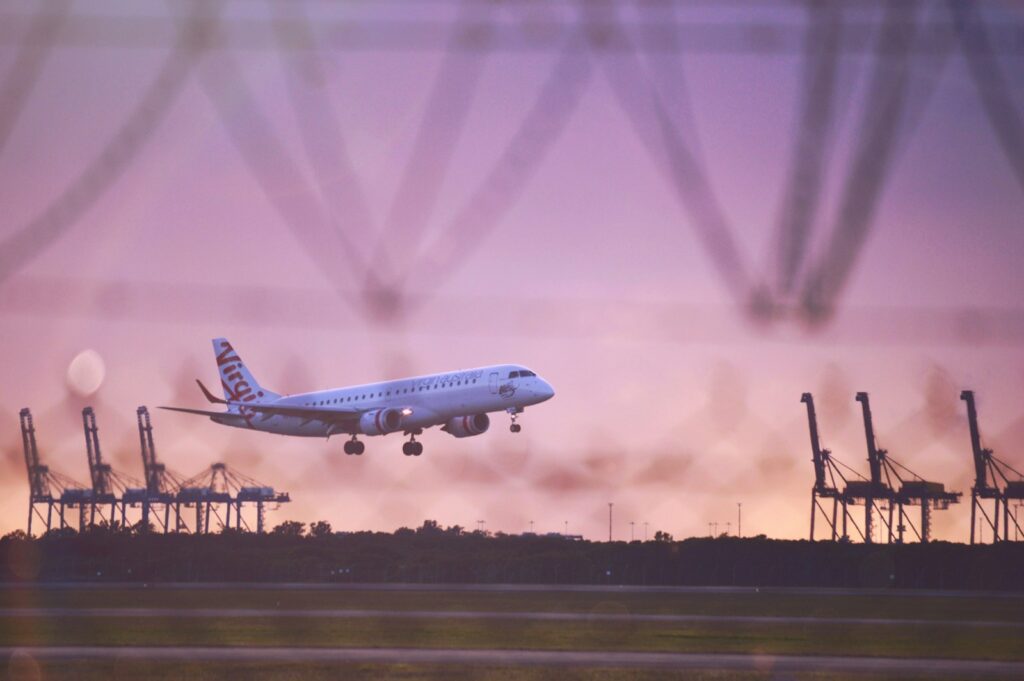
Taking the time to reflect on your journey is an essential part of the travel experience, especially after returning from a solo adventure. Reflection allows you to process not just the places you’ve visited, but also the interactions you’ve had and the challenges you’ve overcome. This introspective practice can profoundly impact your understanding of yourself and the world around you. It helps consolidate the lessons learned and the growth experienced into lasting insights. Reflection can be as simple as journaling about your days, discussing your experiences with friends or family, or even sharing stories via blogs or social media. Through these reflections, you can gain a clearer view of how travel has shifted your perspectives, increased your adaptability, or enhanced your appreciation for different cultures.
Furthermore, reflecting on your travels can influence your future decisions, not just about where you might go next, but also how you approach everyday life. The resilience and flexibility honed on the road often translate into increased confidence and competence in personal and professional contexts. Reflection also helps cement memories and experiences, transforming what might initially feel like a series of disjointed events into a cohesive narrative of personal evolution and adventure. This deeper understanding and integration of your travel experiences ensure that the benefits of your journeys extend far beyond the immediate excitement of being somewhere new, shaping who you are and how you see the world.
Planning Your Next Solo Trip
Once you’ve returned home and have had time to reflect on your experiences, the post-travel period can indeed be the ideal moment to start thinking about your next solo adventure. This phase is not just about choosing a new destination but also about applying the insights and lessons learned from your previous trip to enhance future travel experiences. Analyzing what went well and what could have been improved provides valuable information that can make subsequent journeys more seamless and fulfilling. For instance, you might realize the benefits of lighter packing, the need for more thorough pre-trip research, or perhaps the advantages of learning basic phrases in the local language of your next destination. Armed with this knowledge, you can tailor your travel plans to better suit your preferences and needs, making each trip more enjoyable and efficient than the last.
Moreover, planning your next solo trip can be a great way to keep the travel momentum going and prevent post-trip blues. The excitement of researching new places, mapping out itineraries, and even the anticipation of overcoming new challenges can keep the spirit of adventure alive. This forward-looking approach not only keeps you mentally stimulated but also continuously broadens your horizons as you explore more of the world. It’s a proactive way to build on your global experiences, creating a lifelong journey of learning and exploration that extends far beyond any individual trip. Each journey enriches your life, adding layers of understanding and appreciation for the diversity and beauty of our planet.